 ArtoEast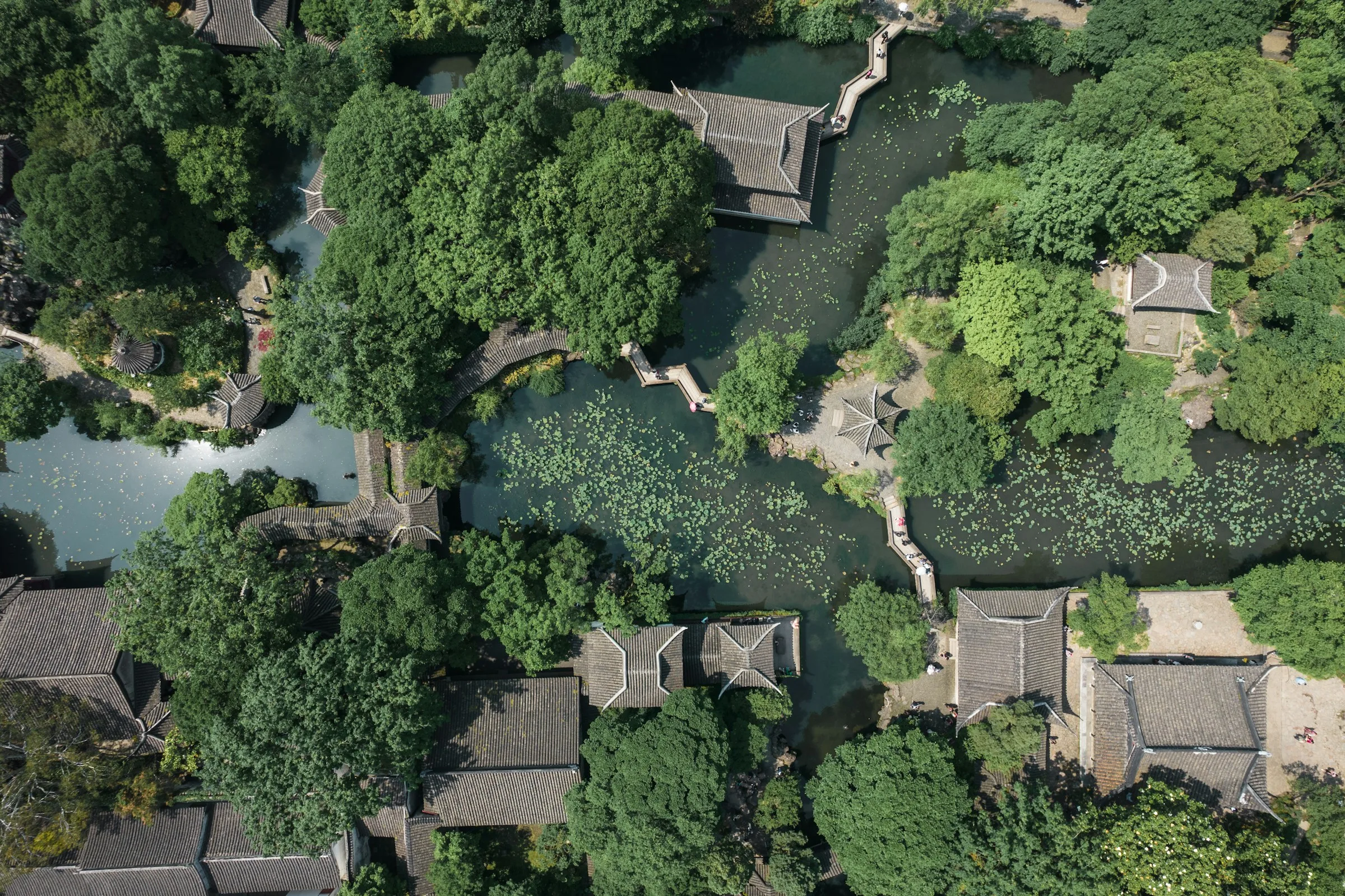
Eastern Living Aesthetics
A thousand years of restraint, still held in cloth, ink, and water.
Eastern aesthetics as a daily practice — the cut of a Song-style robe, the weight of a brush loaded with ink, a Suzhou garden window framing a single rock. We sit with the people still keeping these forms alive.
A lens, not a checklist.
Eastern aesthetics is less a style than a way of paying attention. A garden is laid out so a wall hides one view and offers another. A robe is cut so the sleeve falls a particular way when you lift a teacup. A line of calligraphy is read as much for its pauses as for its ink. We treat these not as heritage on display, but as ongoing conversations — Song-dynasty restraint reaching forward into the hands of people working today, in studios above a canal, in a tailor's room behind a Lingnan arcade, in a flower master's quiet front room.
Across a week or two, we move between Suzhou's classical gardens and the Lingnan courtyards of Guangzhou; between a Hangzhou calligrapher's studio and a Hanfu maker's workshop in Quanzhou. We sit with a floral arrangement teacher whose lineage runs back through Ming flower manuals. We attend an incense session, watch a garden caretaker rake gravel, talk with a spatial designer reworking a Song-era courtyard for contemporary use. Less looking at, more standing inside.
What this experience touches.
We are not a tour company. Each program is shaped to who is coming — these are the threads we tend to weave when we run this experience, not a fixed route.
- 01
Suzhou gardens and the framed view
We walk the Master of the Nets and the Humble Administrator's Garden with a landscape historian who reads them the way a calligrapher reads a scroll — line by line, pause by pause. Later, in Guangzhou, we sit in a Lingnan courtyard where the same logic answers a hotter, wetter climate with deeper eaves and shallower pools.
- 02
The brush, the ink, the held breath
An afternoon in a Hangzhou studio with a calligrapher trained in the Lanting tradition. Pine-soot ink ground on a Duan stone, a wolf-hair brush, a single character returned to fifty times. The conversation is less about technique than about what it means to leave a mark that cannot be revised.
- 03
Hanfu and Tang-Song dress as a living craft
In Quanzhou and Chengdu, we visit makers cutting Tang round-collar robes and Song beizi from hand-loomed silk and ramie. A dyer talks through indigo and sappanwood vats. We try the garments on, not as costume, but to feel how the cut changes the way one sits, walks, pours.
- 04
Flowers, incense, and the quiet room
A morning with a floral arrangement teacher working from Yuan Hongdao's Vase History — a single camellia branch, a Longquan celadon vessel, nothing else. The session closes with a seated incense appreciation, agarwood warmed (not burned) on a mica plate, the room slowly thickening with scent.
The regions this experience leans on.
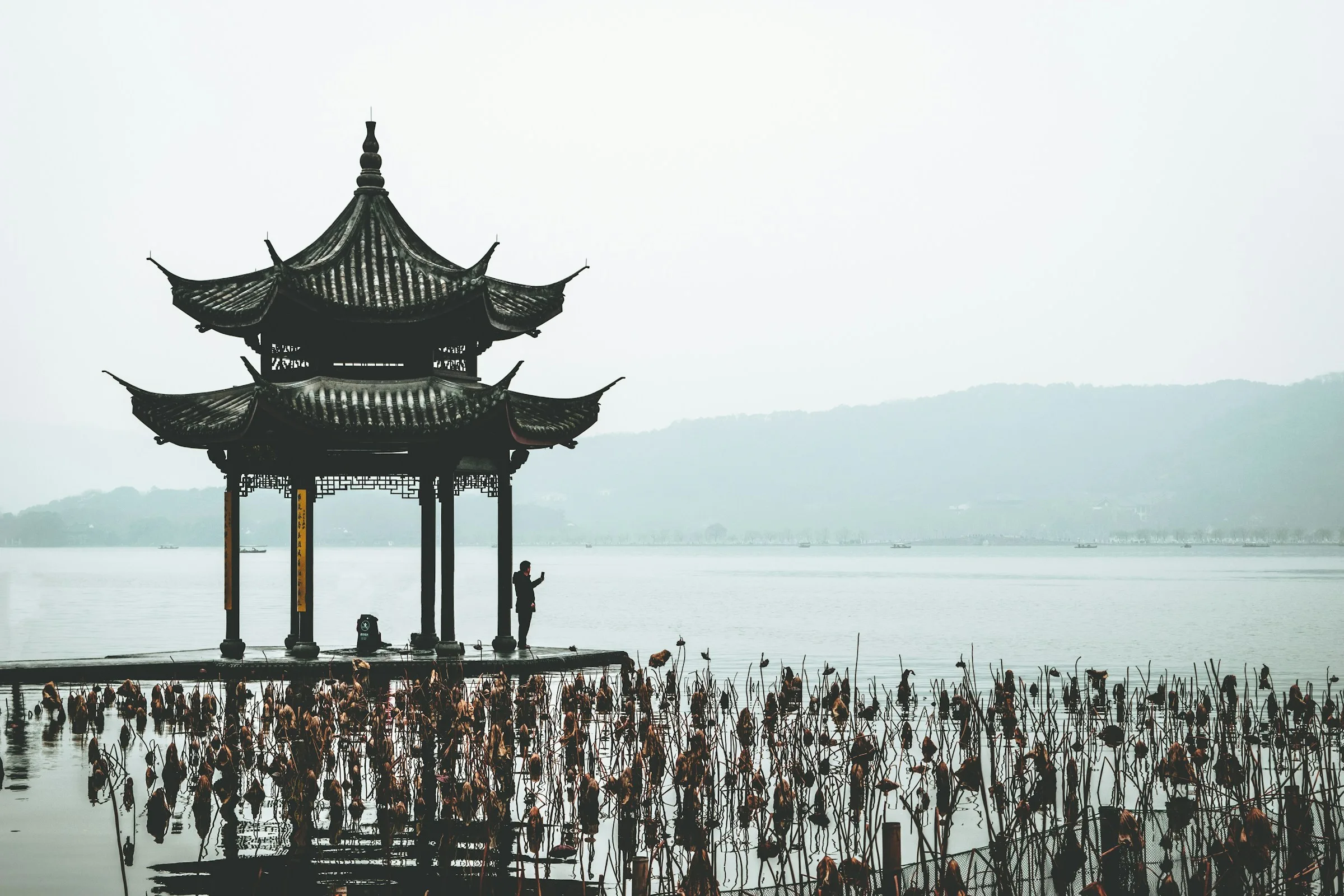
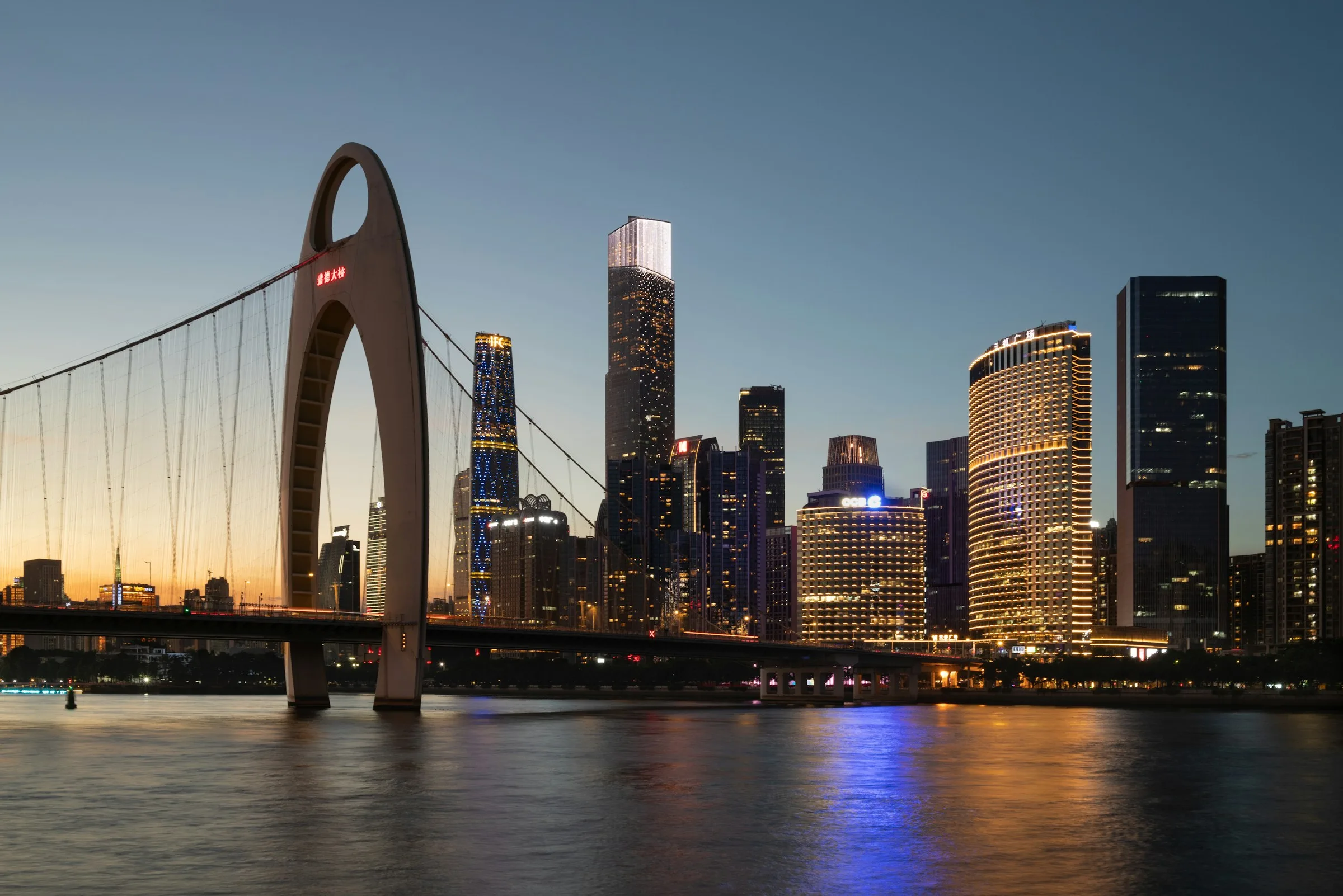
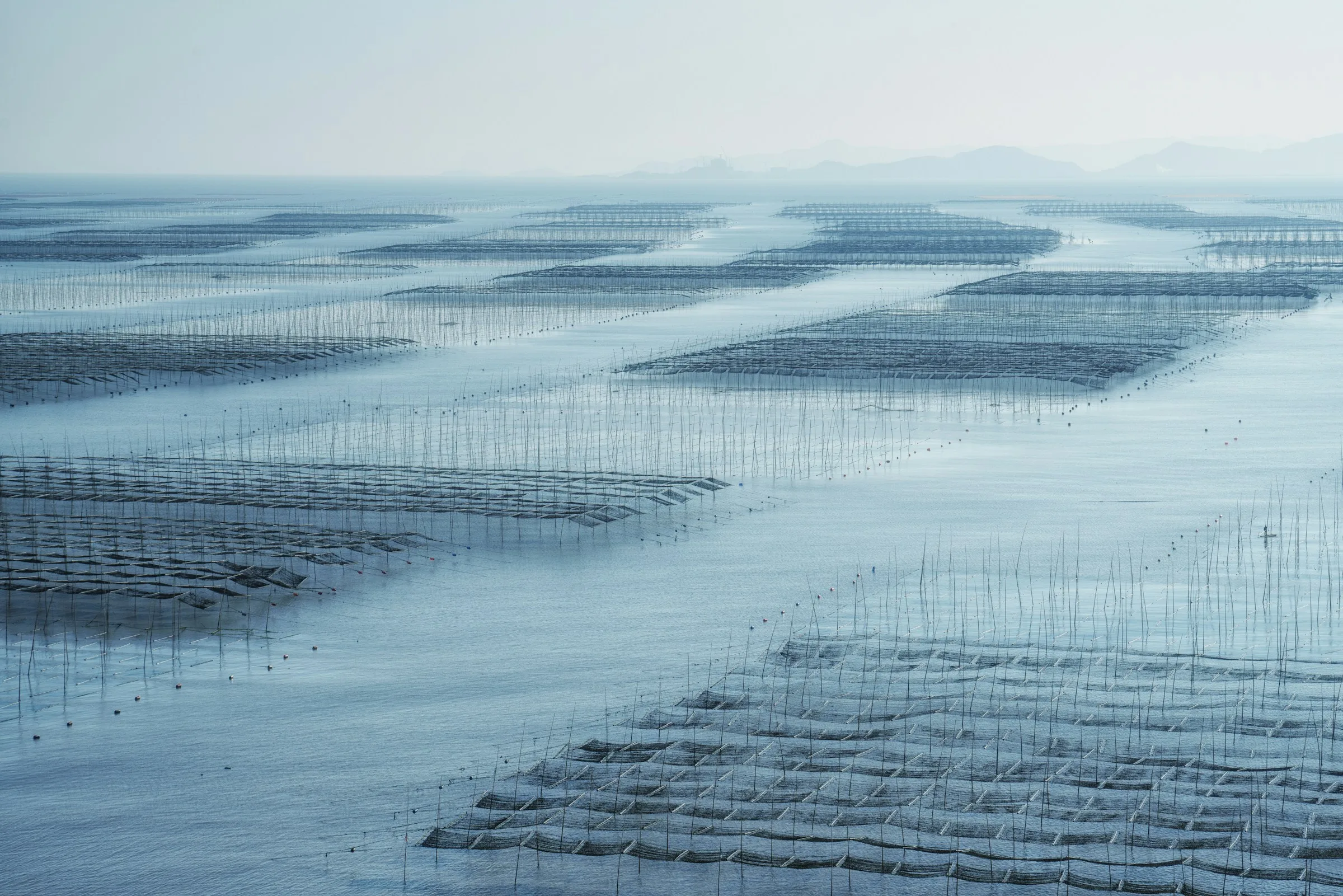
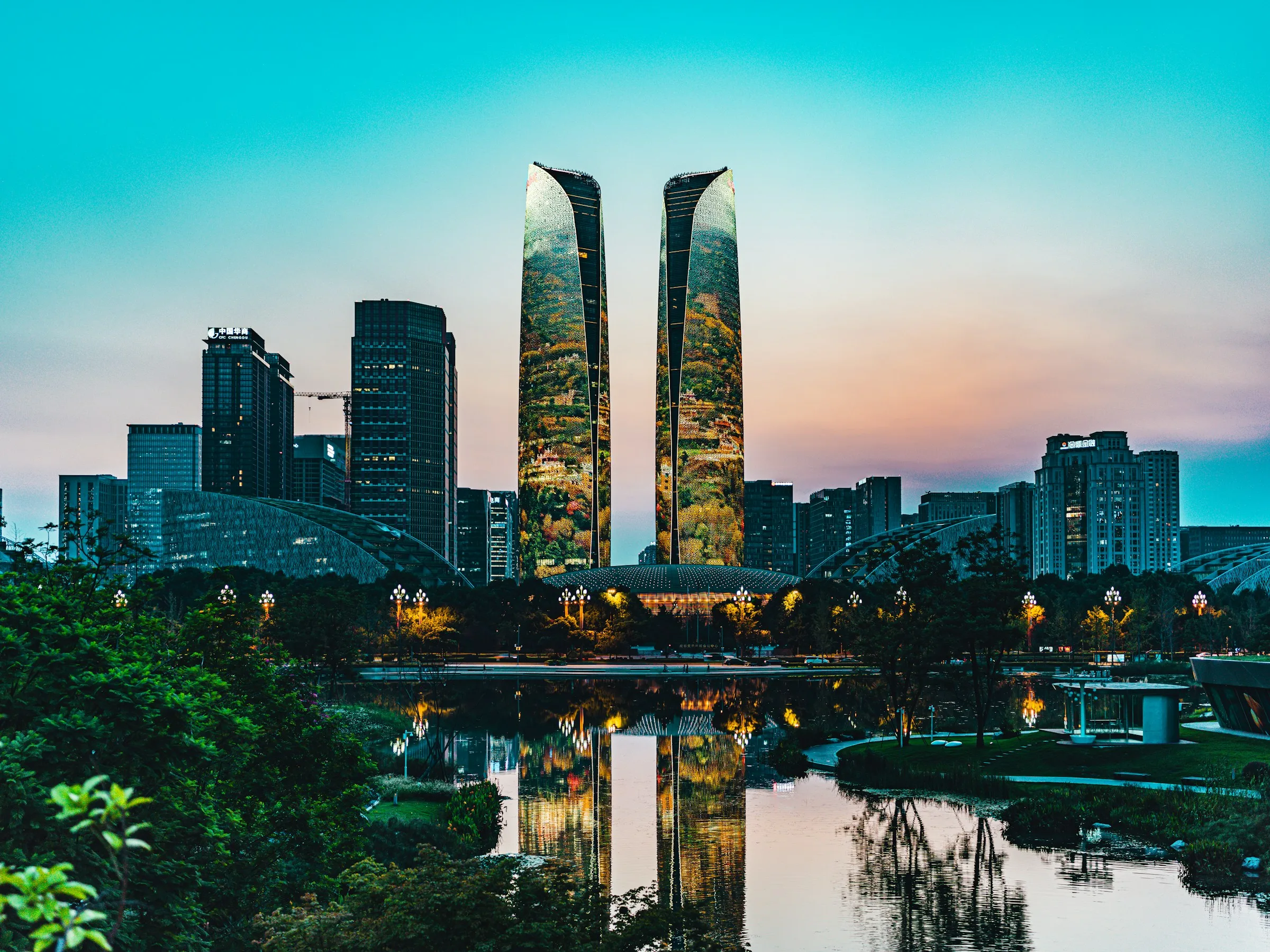
Field notes through this lens.
Dispatches from programmes that drew on Eastern Living Aesthetics. The shape of the work, in long form.
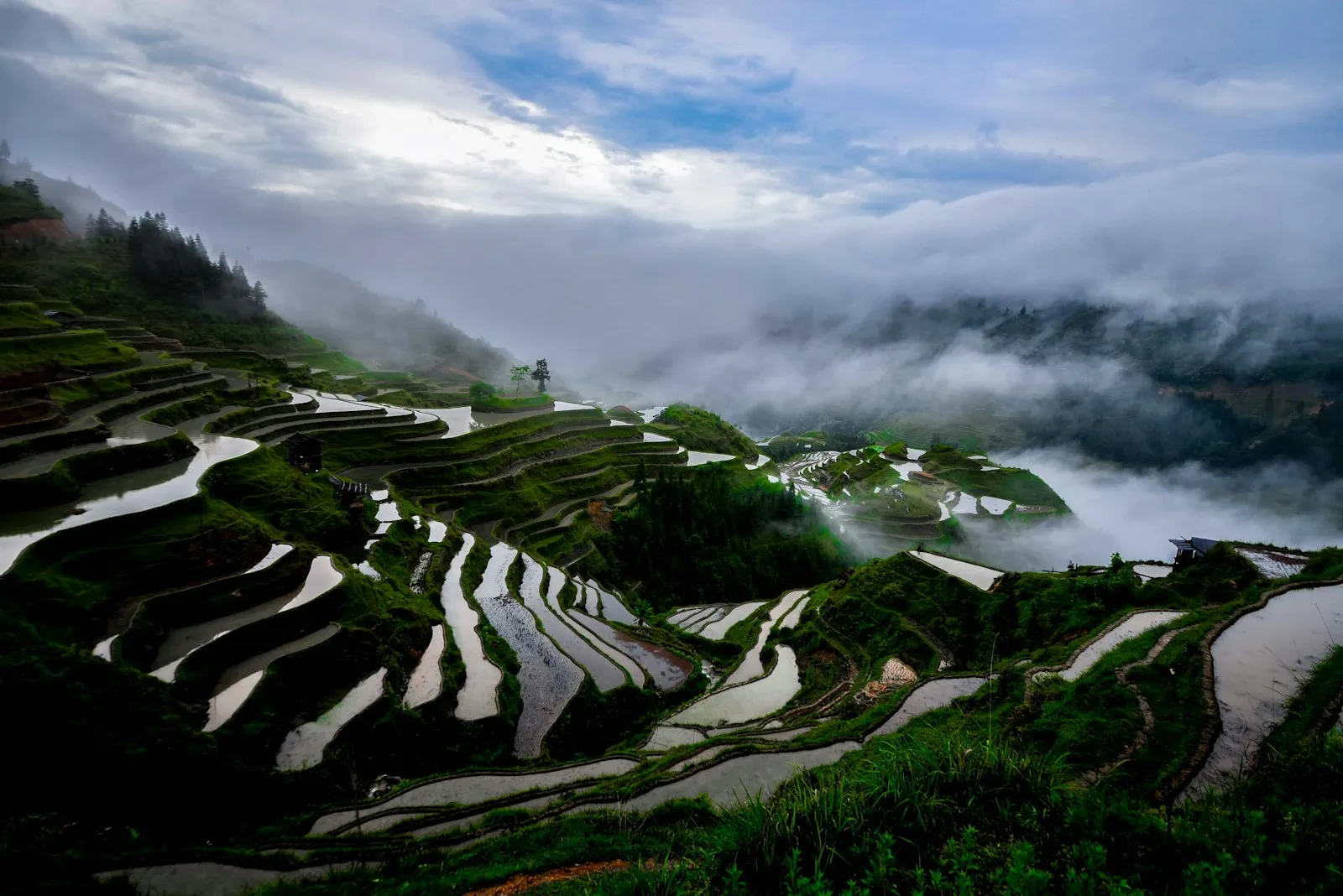 Field notes5 min
Indigo paper in a Miao courtyard above the Qingshui River
20 June 2026
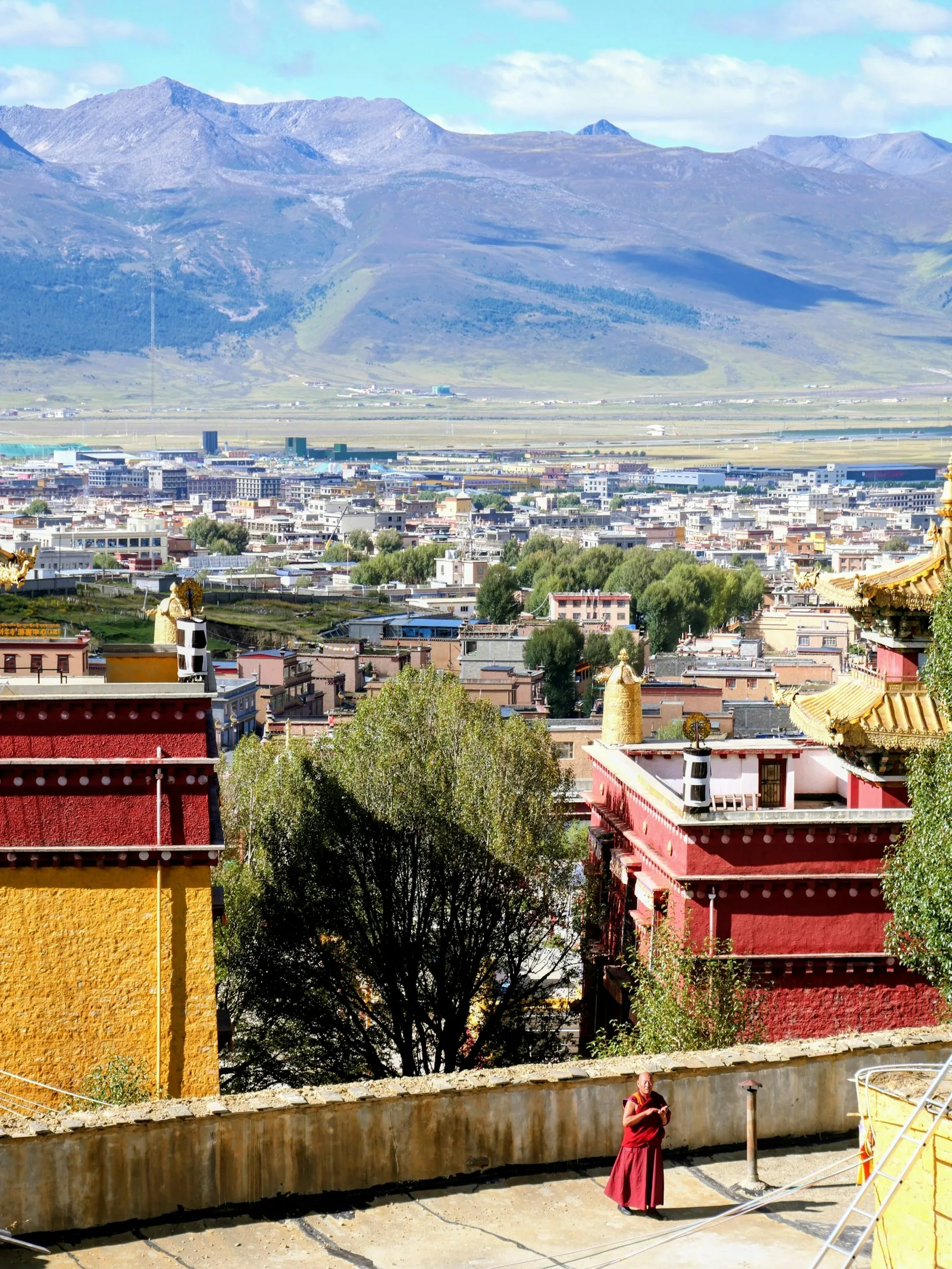 Field notes5 min
Kitchen arithmetic at a monastery on Mount Emei
19 June 2026
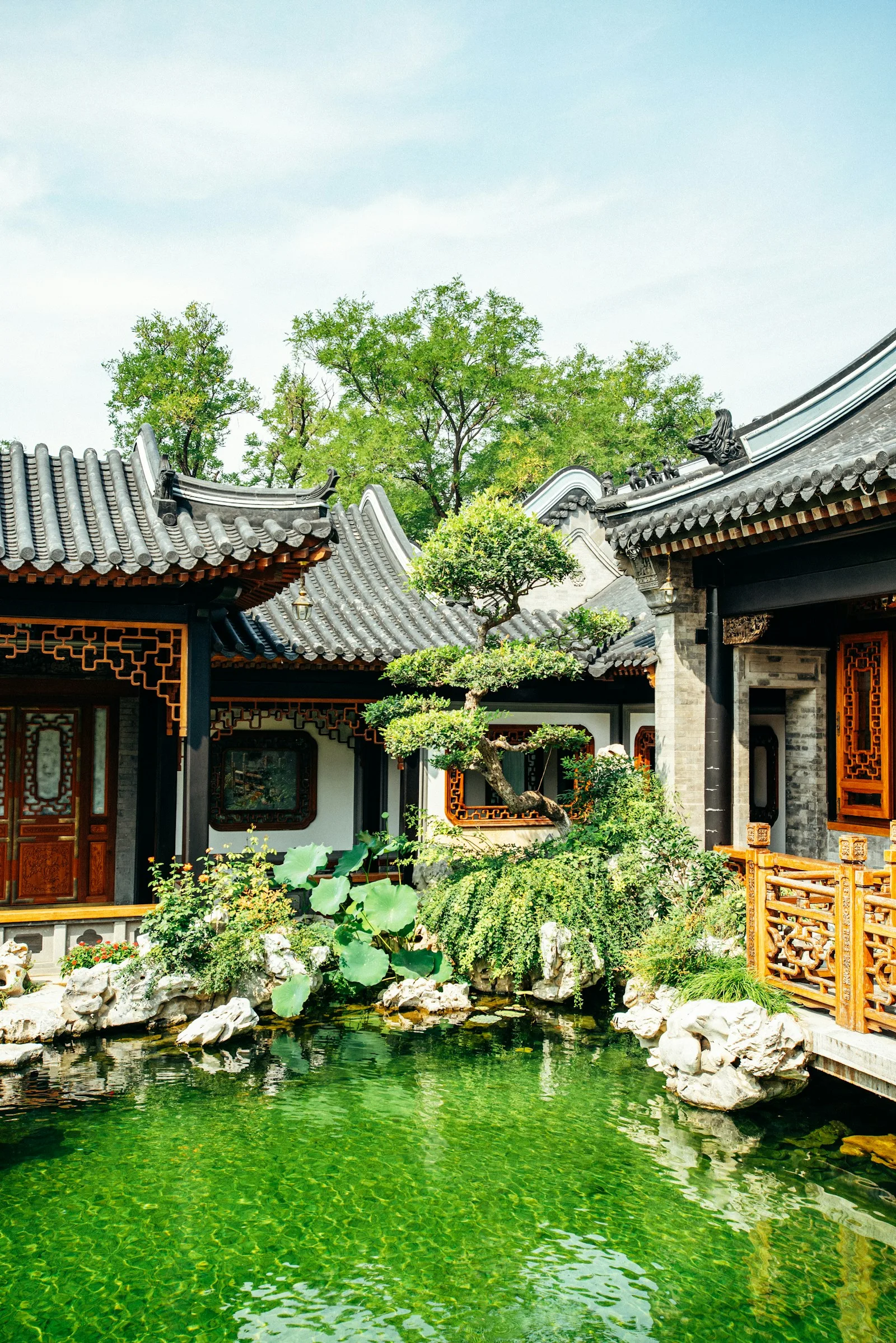 Field notes5 min
A Guangzhou courtyard, mid-repair, in the long heat of July
19 June 2026
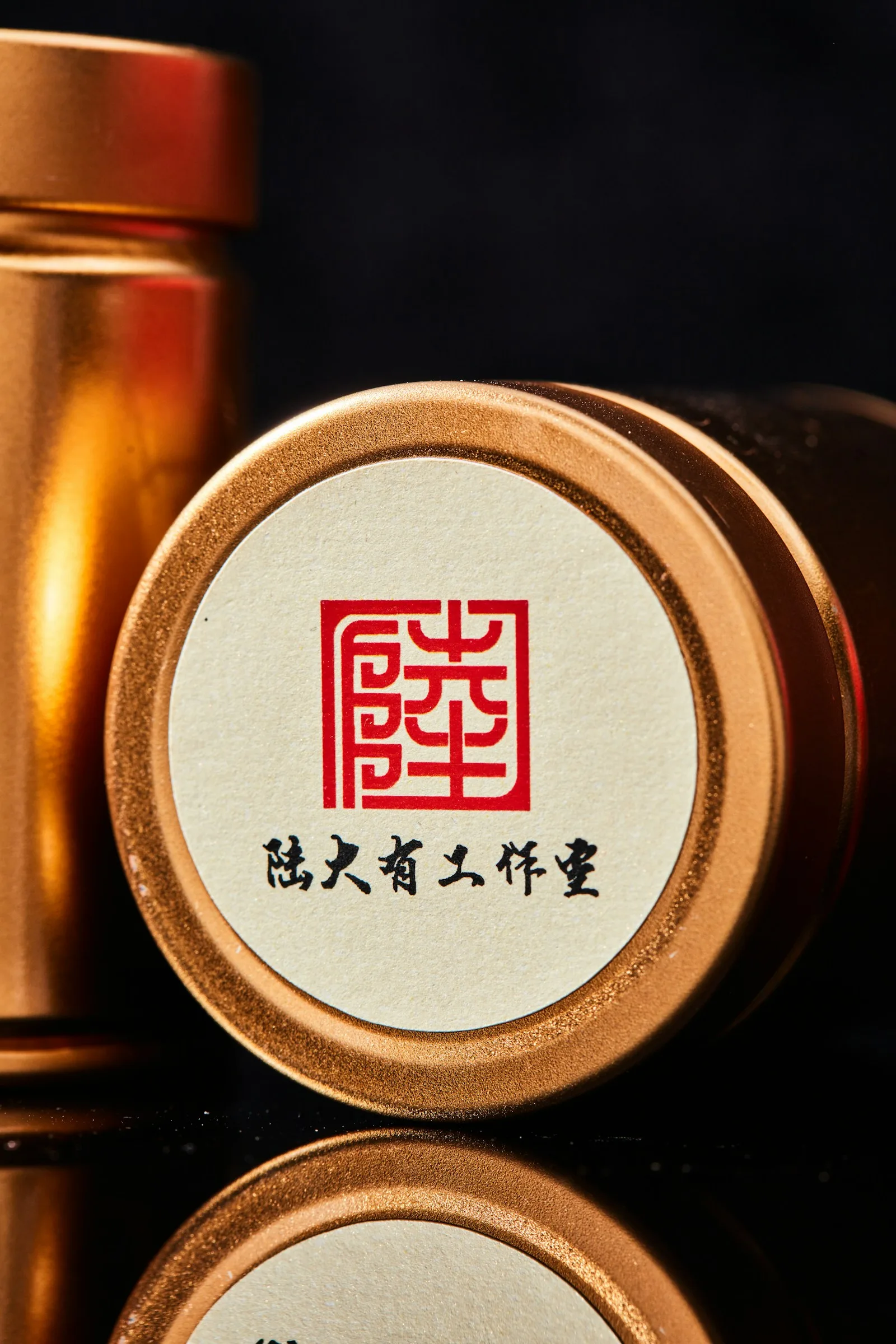 Field notes4 min
A nanyin rehearsal above a Quanzhou alley
19 June 2026
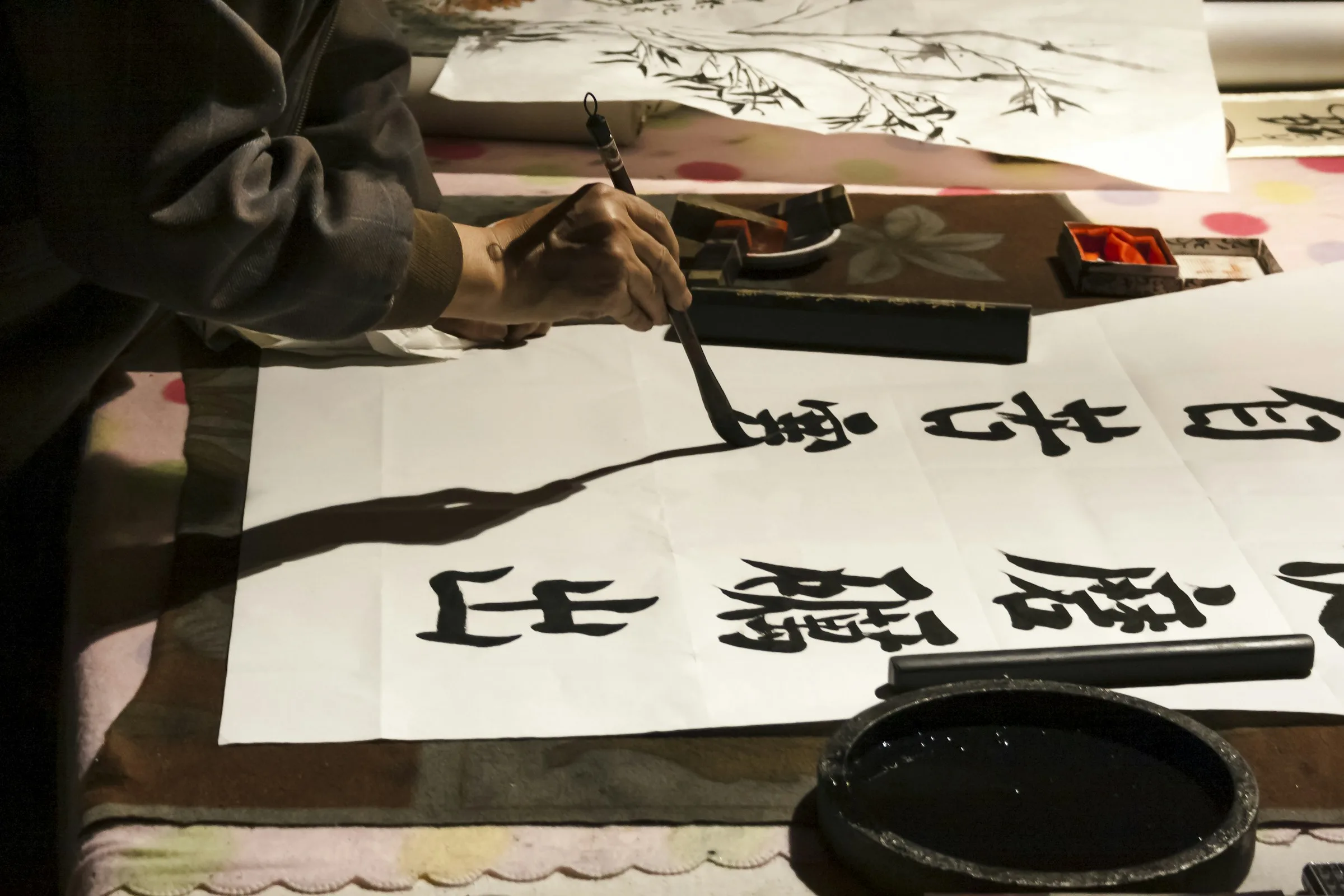 Field notes5 min
An Afternoon with a Hangzhou Calligrapher
13 June 2026
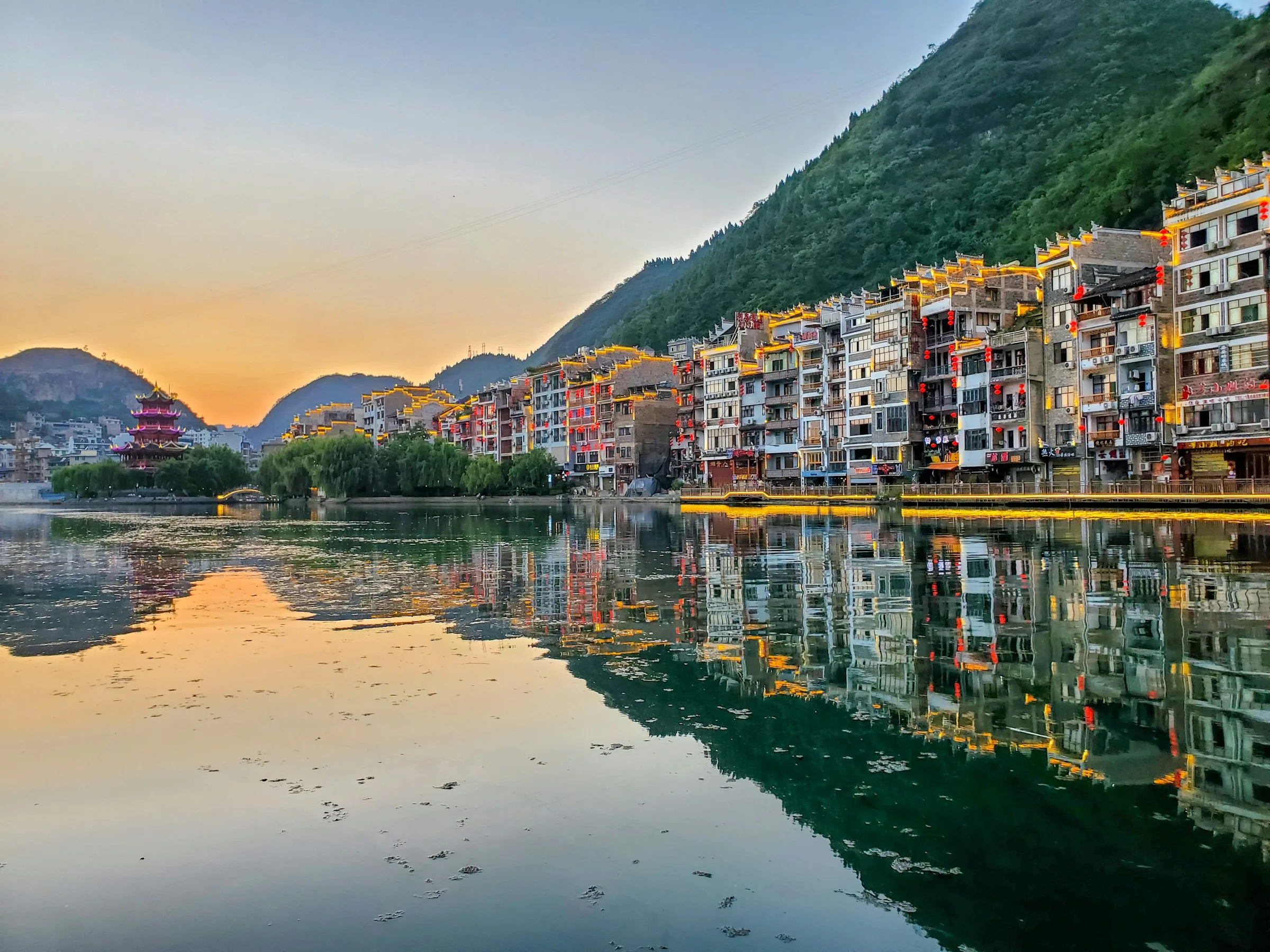 Field notes5 min
A Dong Wind-and-Rain Bridge at Zhaoxing
5 June 2026
Photography by Yilei (Jerry) Bao via Unsplash.
Bring your delegation, your institution, or your curious community to the real East.
Tell us who you’re bringing and what you’re looking for. We’ll design the program around it.