 ArtoEast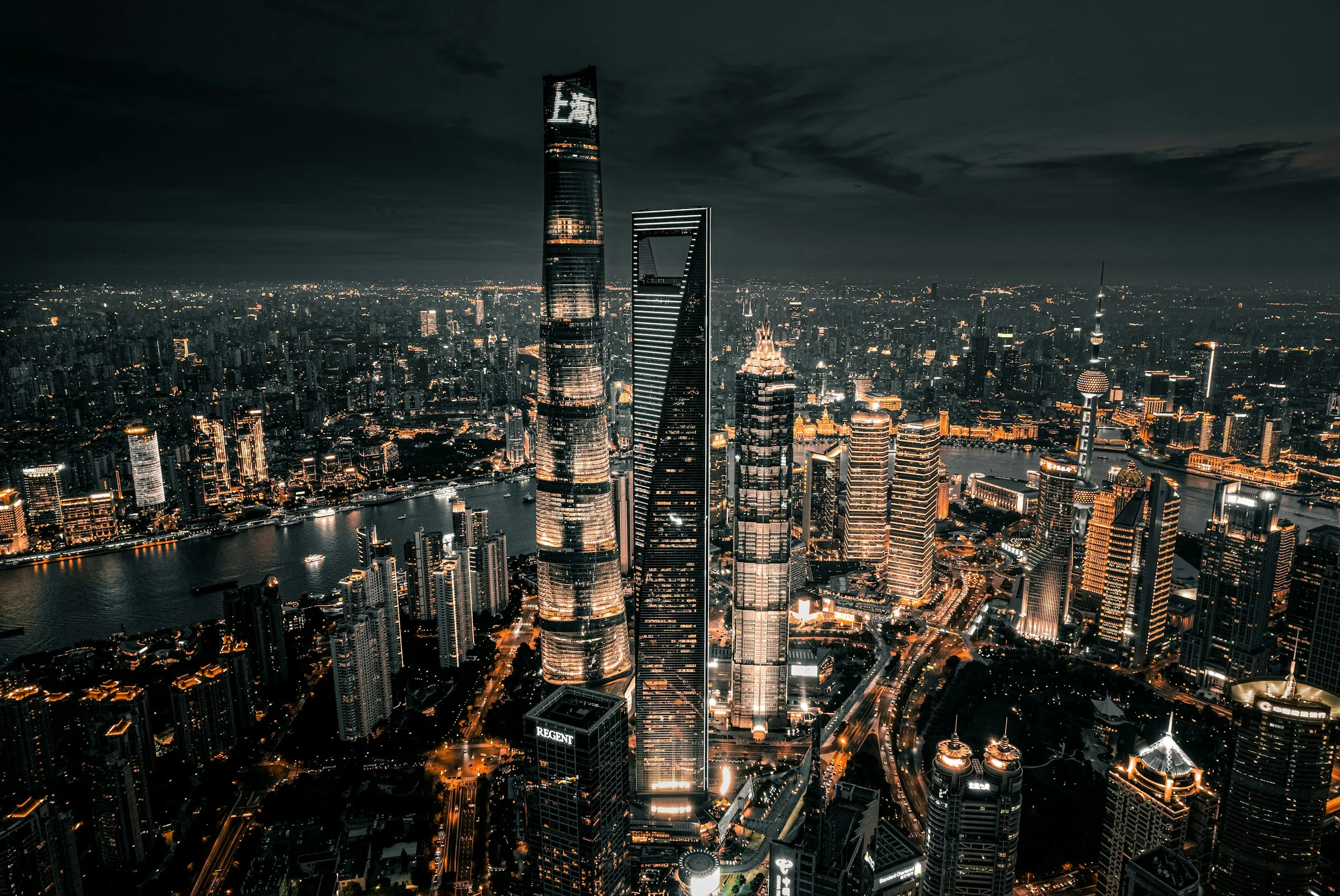
Modern China
The country that lives in the next five minutes, and the last five hundred years.
A walk through the China that pays in QR codes and stays open until four. We sit with gallerists in Shanghai, hardware tinkerers in Huaqiangbei, tea makers reworking a centuries-old form, and the bartenders keeping Guangzhou and Hong Kong awake.
A lens, not a checklist.
Modern China is less a backdrop than a tempo. Payments collapse into a glance at a phone; a noodle stall takes the same QR code as a contemporary art fair; a subway carriage at midnight runs as full as one at noon. We treat this not as spectacle but as a way of paying attention — to how a society organises convenience, sociability, and night, and what it chooses to keep close from the older China underneath. The conveniences are not the point; the conversations they make possible are.
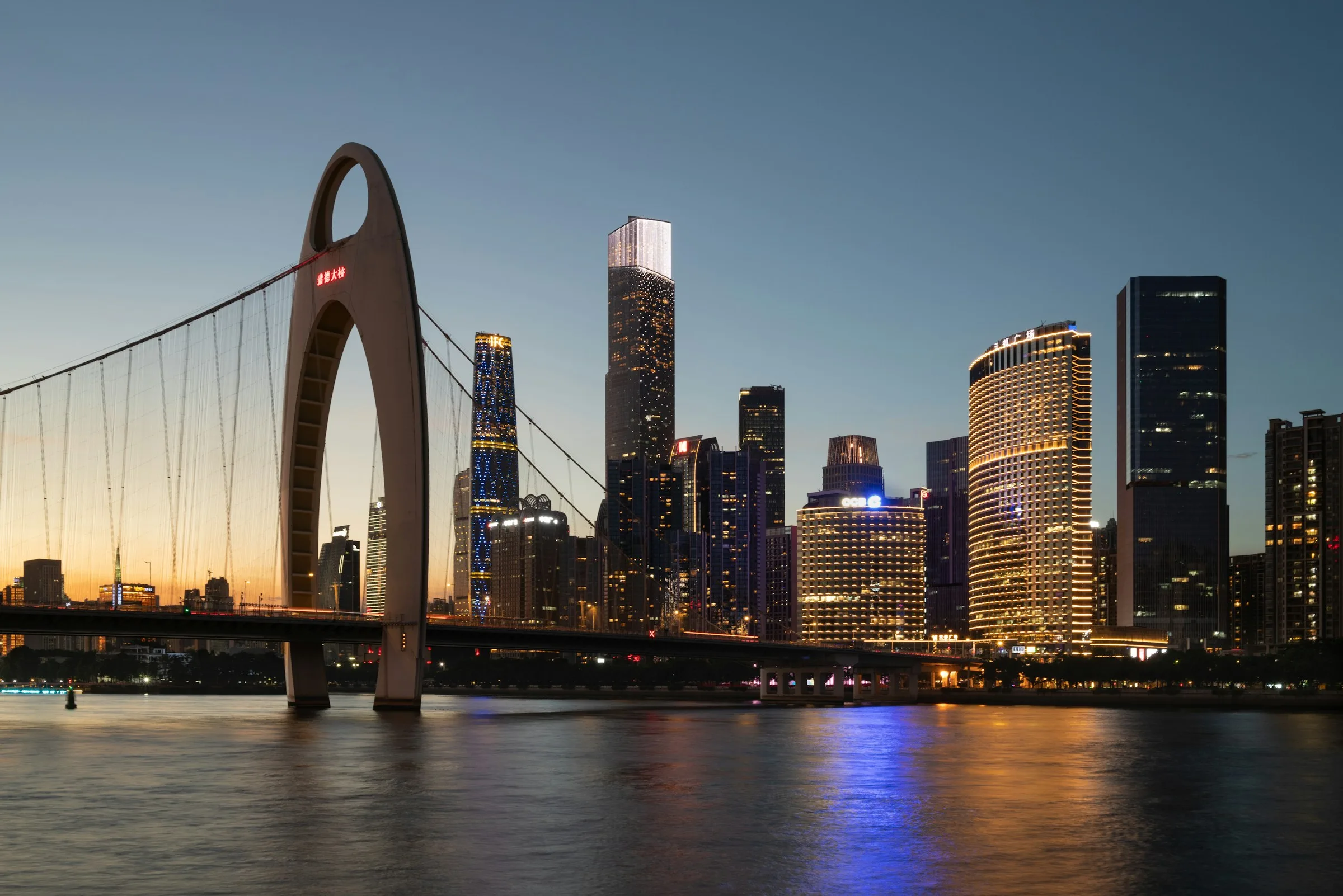
Across roughly a week, we move between Shanghai's West Bund and M50 gallery district, Shenzhen's Huaqiangbei electronics markets and the design studios in OCT-LOFT, and the late-night food streets of Guangzhou and, when timing allows, Hong Kong. Along the way we sit with curators, independent designers, tea house owners reworking the gongfu form for a younger room, and the small operators — a bartender, a dumpling cook, a hardware fixer — who keep a 24-hour city actually running.
What this experience touches.
We are not a tour company. Each program is shaped to who is coming — these are the threads we tend to weave when we run this experience, not a fixed route.
- 01
Daily life inside the superapp
We spend a morning paying for everything — breakfast, a bus, a museum ticket, a haircut — through a single app, then sit with a local friend who explains what the interface quietly assumes about trust, identity, and credit. The cashless layer is not a gimmick; it is the connective tissue of urban dialogue.
- 02
Shanghai's gallery corridor
Conversations at West Bund and M50 with gallerists and a working artist or two. We look at how a contemporary Chinese practice is built — studio rent, residency cycles, what gets shown abroad versus at home — and walk the river between Long Museum and the Power Station of Art at the pace the architecture asks for.
- 03
Shenzhen's hardware ecosystem
A fieldwork afternoon in Huaqiangbei with a maker who sources components by the floor. We follow a small object from a stall to a prototyping bench in OCT-LOFT, and sit with an industrial designer on what "shanzhai" means now that the copy has, in many cases, overtaken the original.
- 04
Late tea, later bars
A new-generation tea house in Guangzhou where a young owner pours single-origin Phoenix oolong in a room that owes as much to Muji as to the Ming. Then south to Hong Kong, or a Pearl River rooftop, for a slow conversation with a bartender about what a Chinese cocktail vocabulary is becoming.
The regions this experience leans on.
Field notes through this lens.
Dispatches from programmes that drew on Modern China. The shape of the work, in long form.
 Field notes4 min
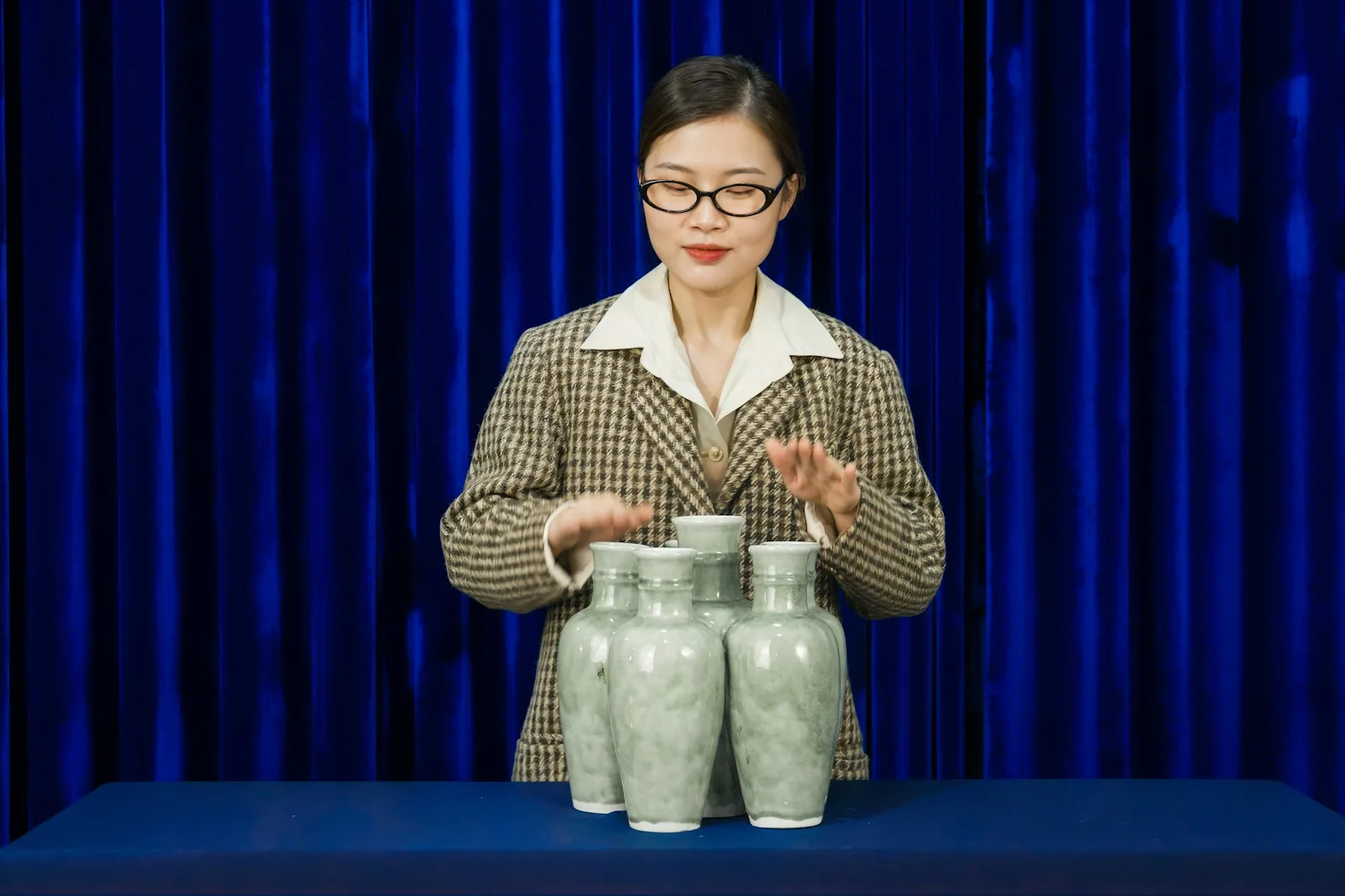
An Evening in a Hangzhou Livestream Studio
20 June 2026
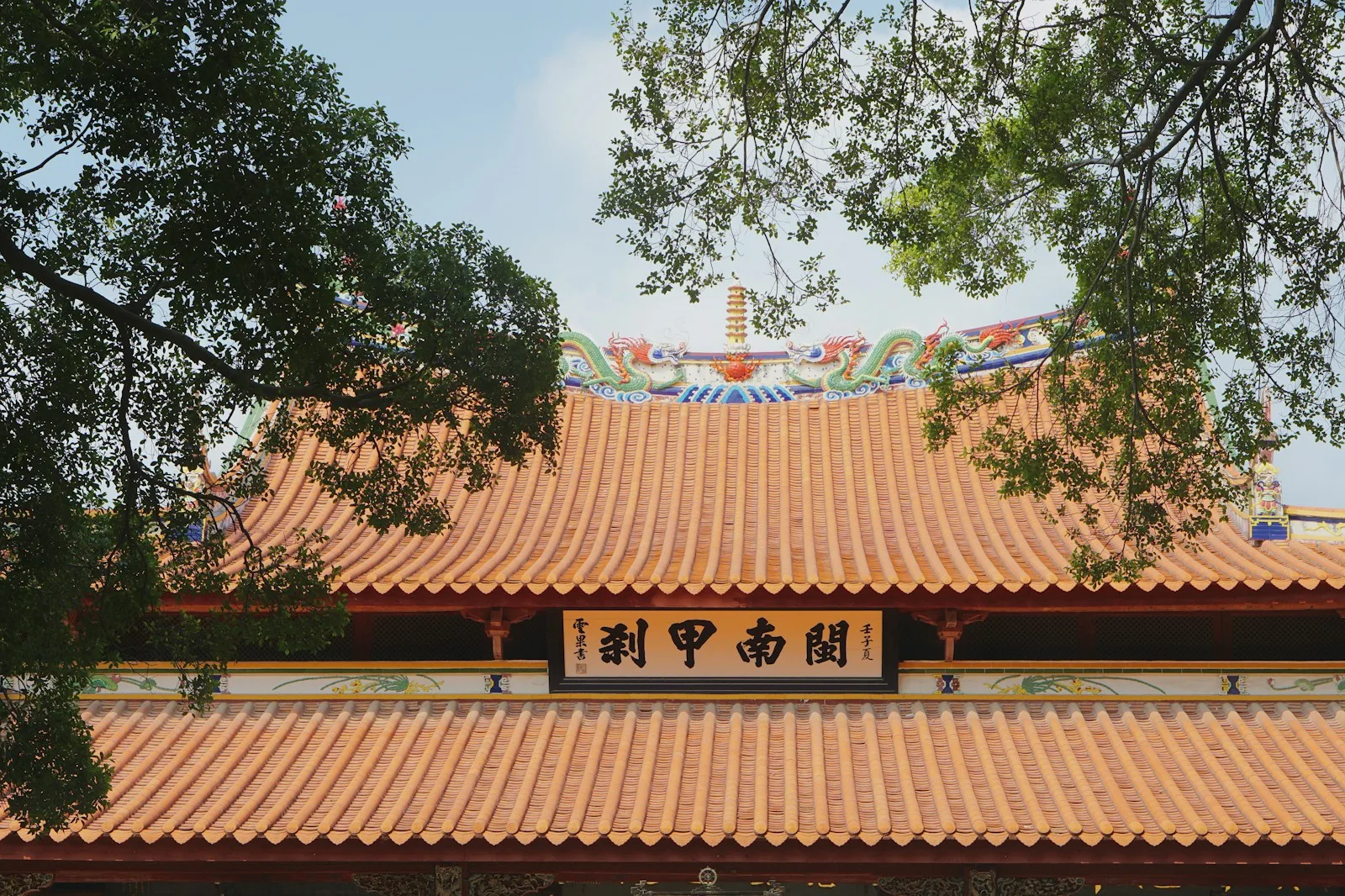 Field notes6 min
A Shapowei sound studio recording across the strait
20 June 2026
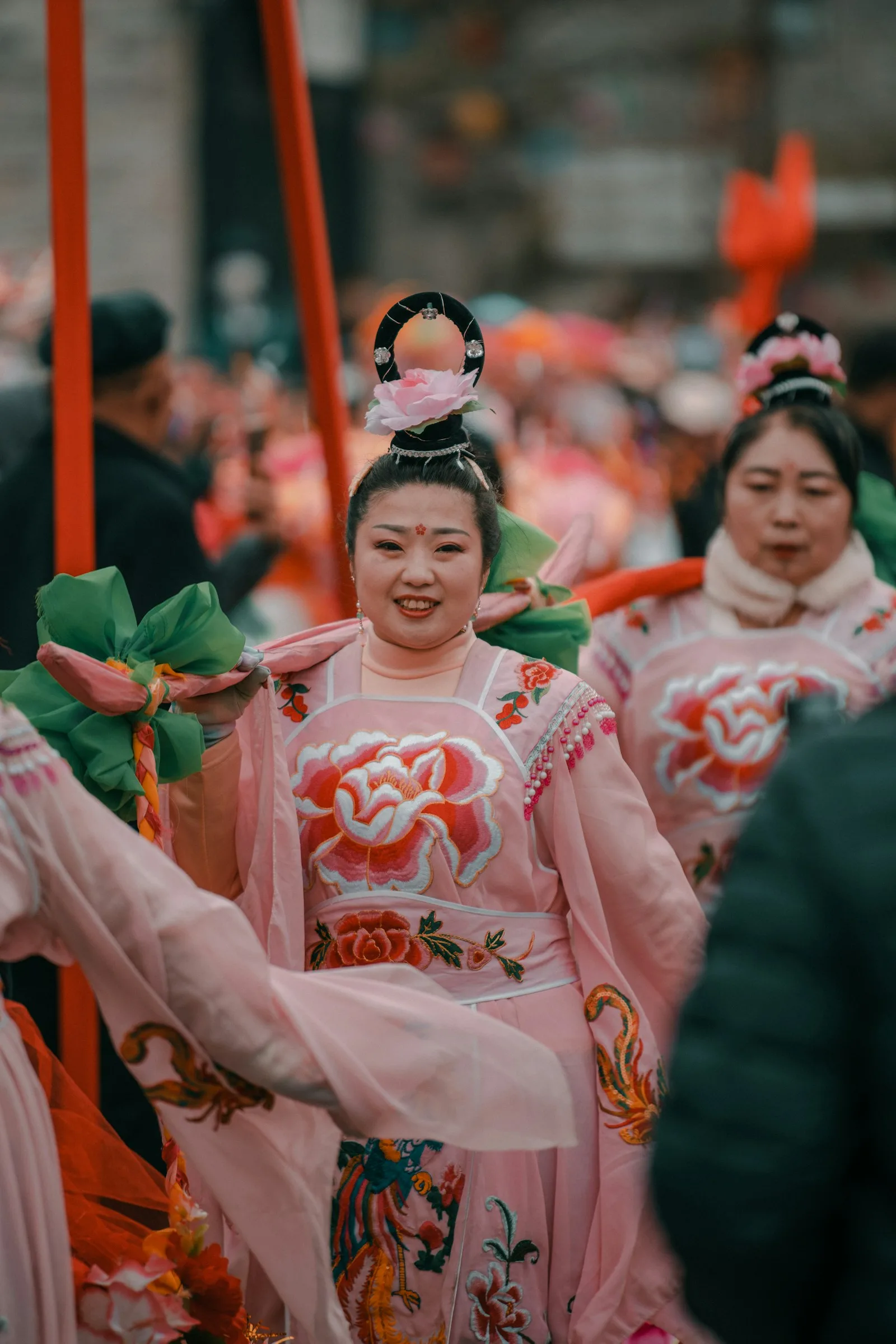 Field notes5 min
A Miao tattoo studio on the edge of Kaili
20 June 2026
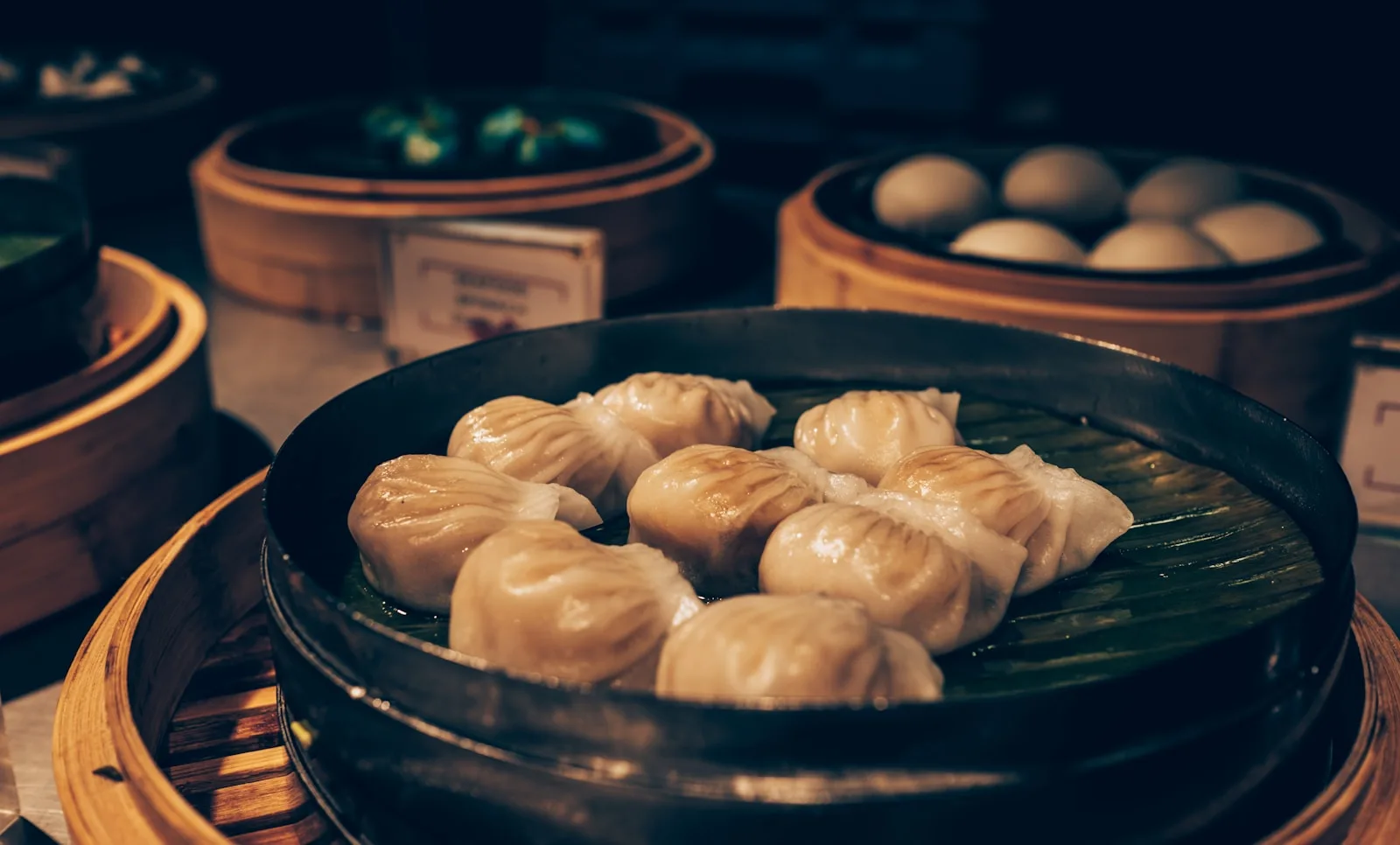 Field notes5 min
A Yangjiang collective where retired forgers still hammer woks
20 June 2026
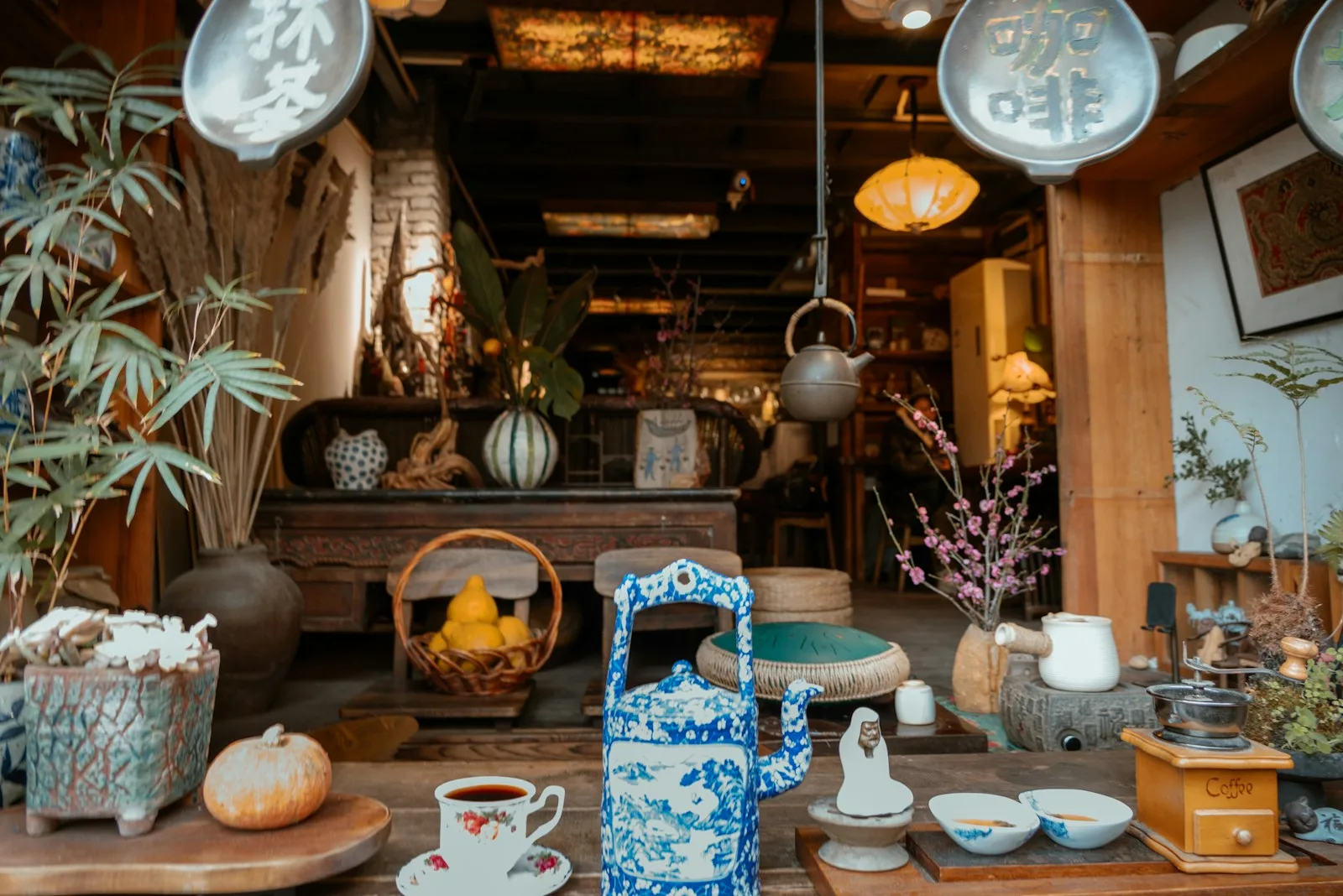 Field notes4 min
A morning at a nuo mask studio in Chengdu
20 June 2026
 Field notes5 min
A morning at a Kunming specialty coffee roastery
19 June 2026
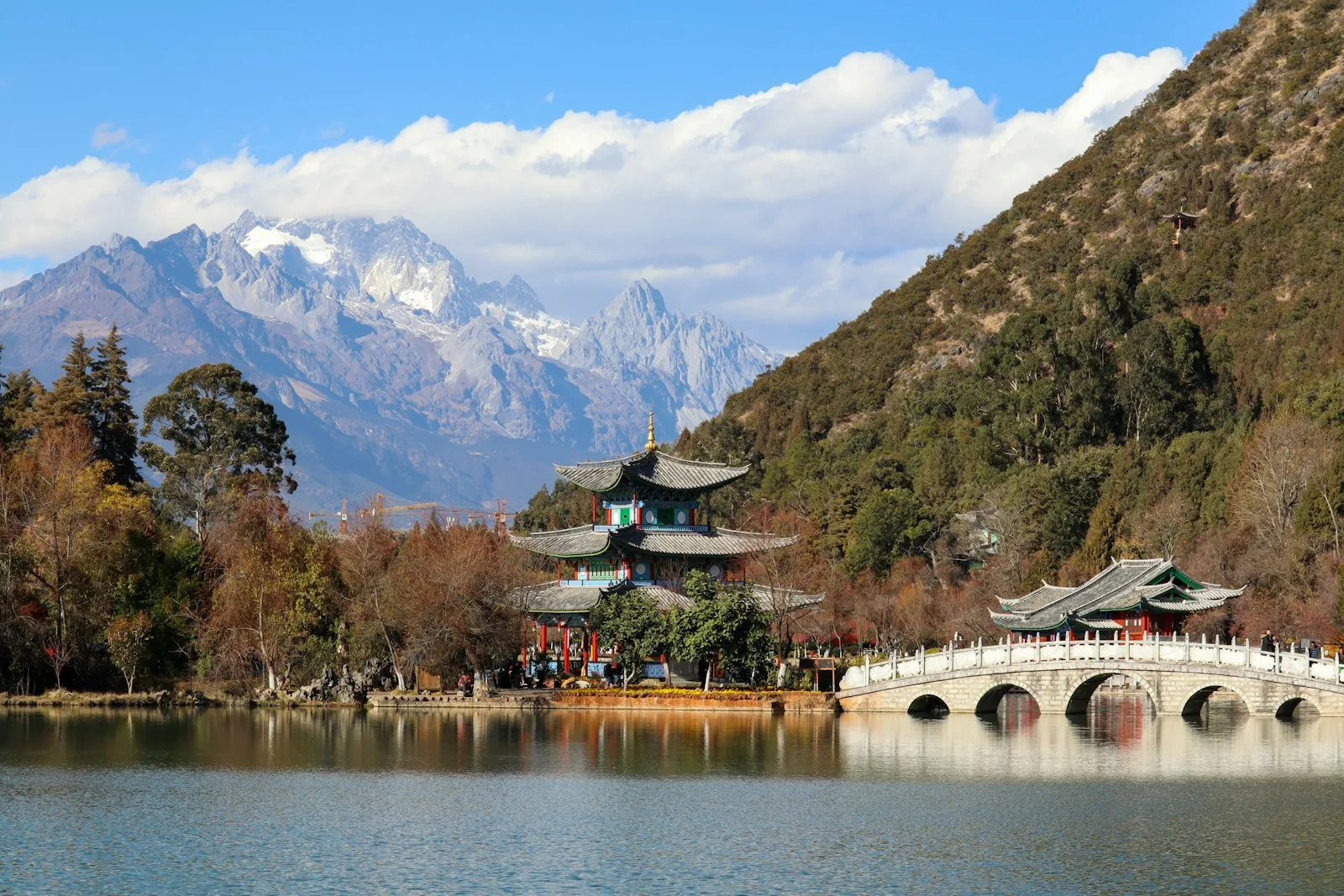
Photography by Zhou Xian via Unsplash.
Bring your delegation, your institution, or your curious community to the real East.
Tell us who you’re bringing and what you’re looking for. We’ll design the program around it.