 ArtoEast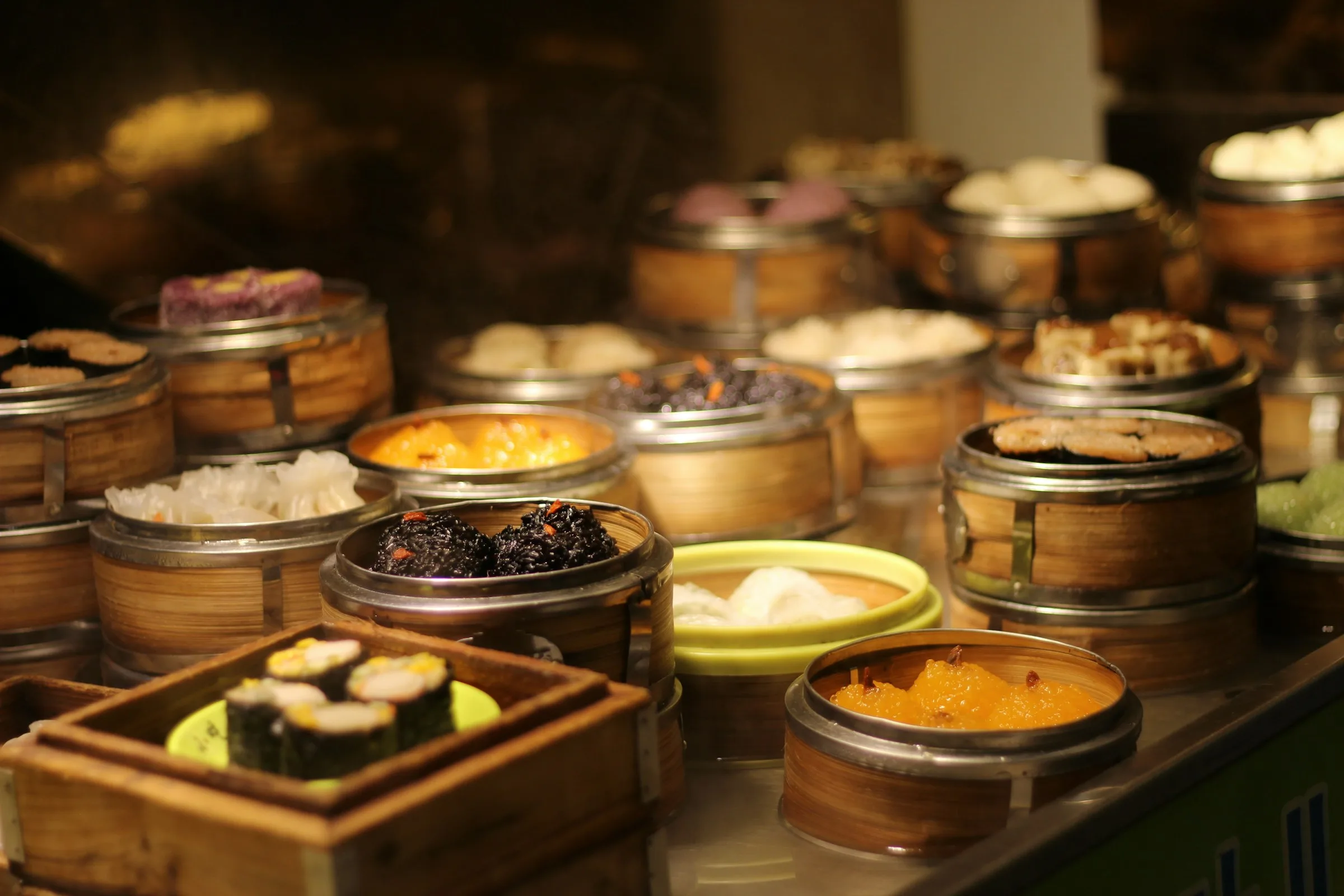
Chinese Culinary Culture Exploration
Cuisine read as craft — a grammar of region, fire, and patience.
A culinary fieldwork across the Eight Great Traditions — from Sichuan's mala precision to Chaozhou gongfu cha, Cantonese yum cha rhythm, and the pickle jars that quietly mark the seasons. Cuisine read as craft, not entertainment.
A lens, not a checklist.
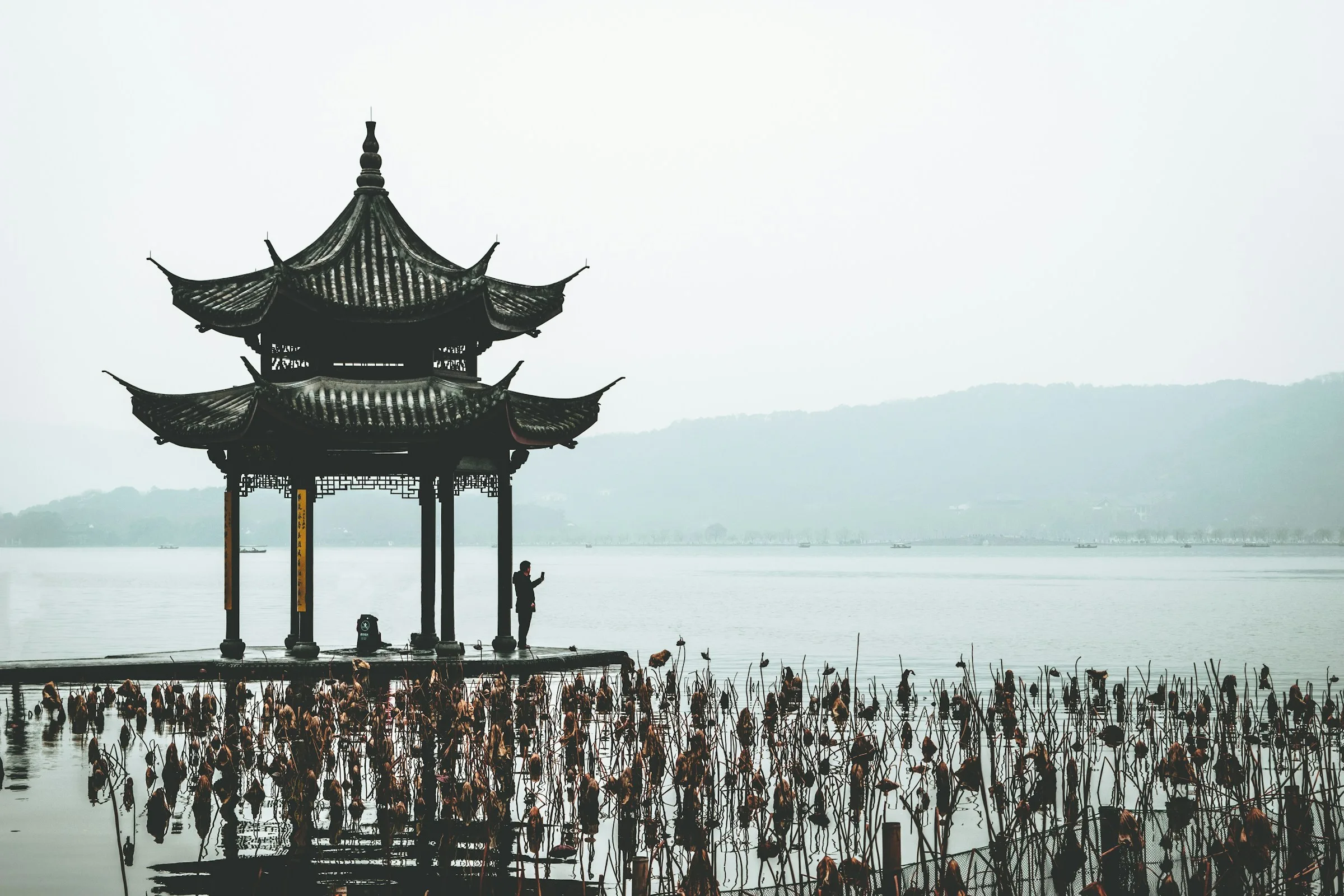
Chinese cooking is often flattened into a menu. This is the opposite: a sustained attention to how eight regional grammars — Sichuan, Cantonese, Shandong, Jiangsu, Zhejiang, Fujian, Hunan, Anhui — came to think about heat, water, salt, and time differently. We sit with the people still working inside those grammars: a Pixian doubanjiang maker turning vats in the sun, a Chaozhou tea master pouring his fourth infusion, a Hangzhou cook who measures Longjing leaves by the weight of late spring rain.
The dialogue is with craftspeople first, dishes second. You walk fermentation rooms, attend a yum cha service from the kitchen side, sit through a gongfu cha session that takes longer than most dinners, and read old caipu manuscripts with the cooks who still use them. Anchored in studios and family kitchens across Sichuan, Guangdong, Fujian, and Zhejiang — the four provinces where four of the eight traditions still carry their full philosophical weight.
What this experience touches.
We are not a tour company. Each program is shaped to who is coming — these are the threads we tend to weave when we run this experience, not a fixed route.
- 01
The mala of Sichuan, read as precision
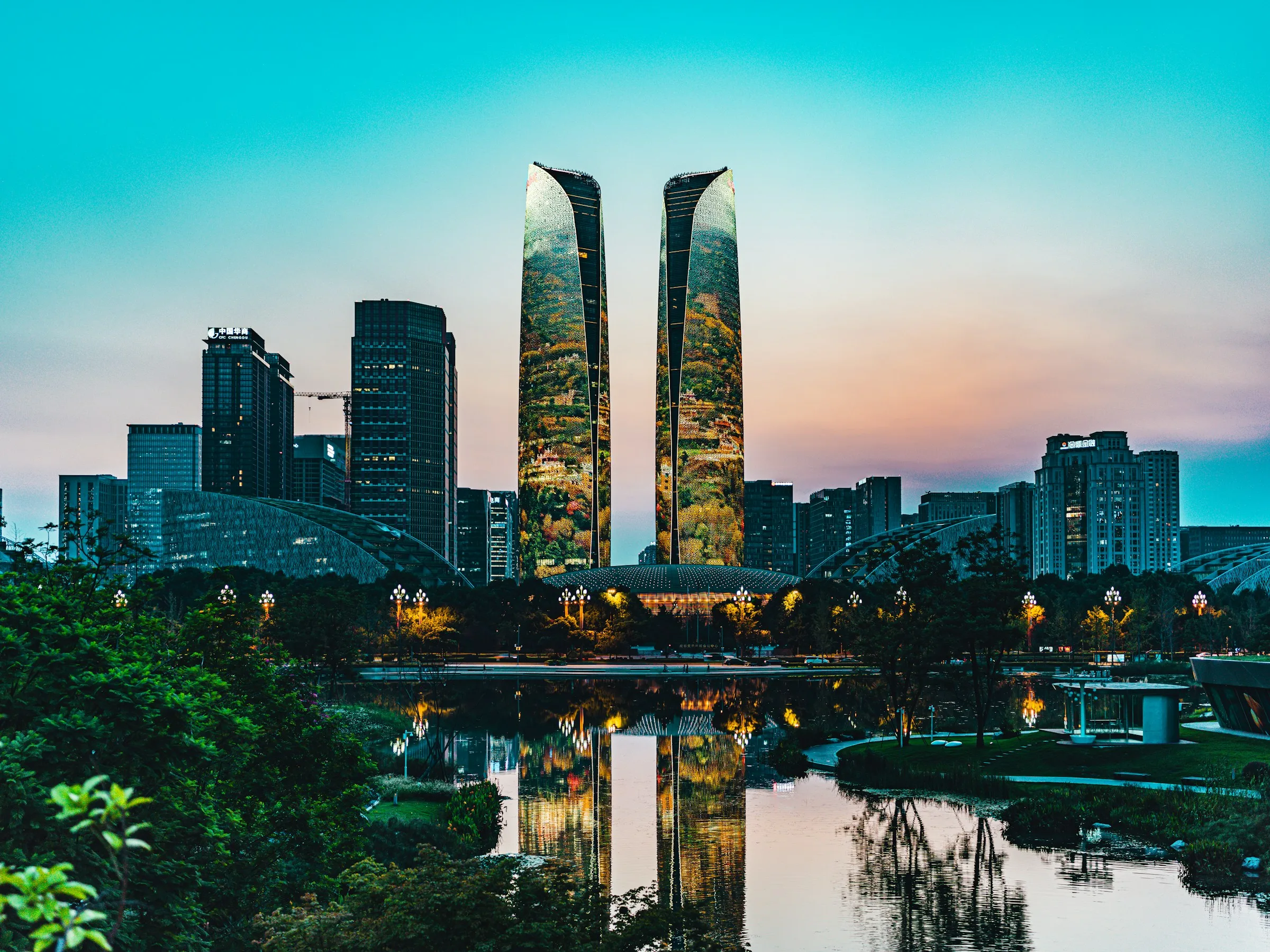
In Chengdu and Pixian, we sit with doubanjiang makers whose broad-bean paste ferments in earthen jars for three years before it is allowed near a wok. Mala is not heat for its own sake — it is a calibrated argument between Erjingtiao chilli, Hanyuan huajiao, and the numbness that follows. A chef talks through it dish by dish.
- 02
Gongfu cha and the long Chaozhou afternoon
A gongfu cha session in Chaozhou is closer to chamber music than to drinking. We attend one with a Phoenix Dan Cong grower — small zisha pot, narrow cups, the same leaves reread across eight or nine infusions. The conversation circles back to why Chaozhou cooking is restrained where Cantonese is generous.
- 03
Yum cha from the kitchen side
In an old Guangzhou tea house we step behind the trolleys: har gow pleats counted, cheung fun sheets pulled at dawn, the chef explaining why morning tea is structured the way it is. Yum cha here is read as a social technology — a slow civic ritual that organised a city's mornings for two centuries.
- 04
Pickle jars, caipu manuscripts, seasonal memory
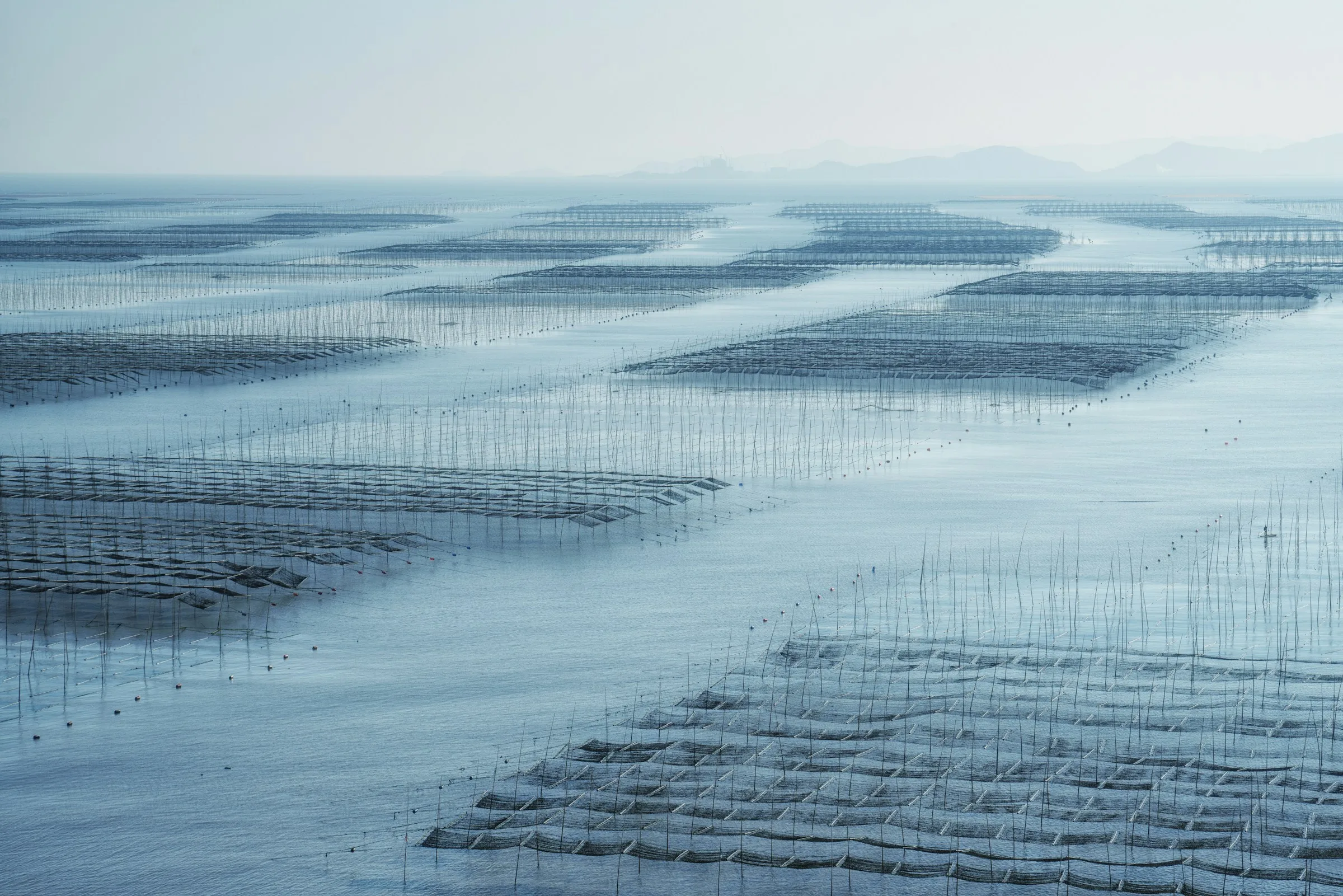
Across Zhejiang and Fujian we visit family kitchens whose pickle jars — pao cai, mei gan cai, salted plums — are older than the cooks themselves. We read hand-copied caipu (recipe manuscripts) alongside them and trace how a single ingredient, like Shaoxing wine or Fuzhou red yeast rice, threads through an entire regional cuisine.
The regions this experience leans on.

Field notes through this lens.
Dispatches from programmes that drew on Chinese Culinary Culture Exploration. The shape of the work, in long form.
 Field notes5 min
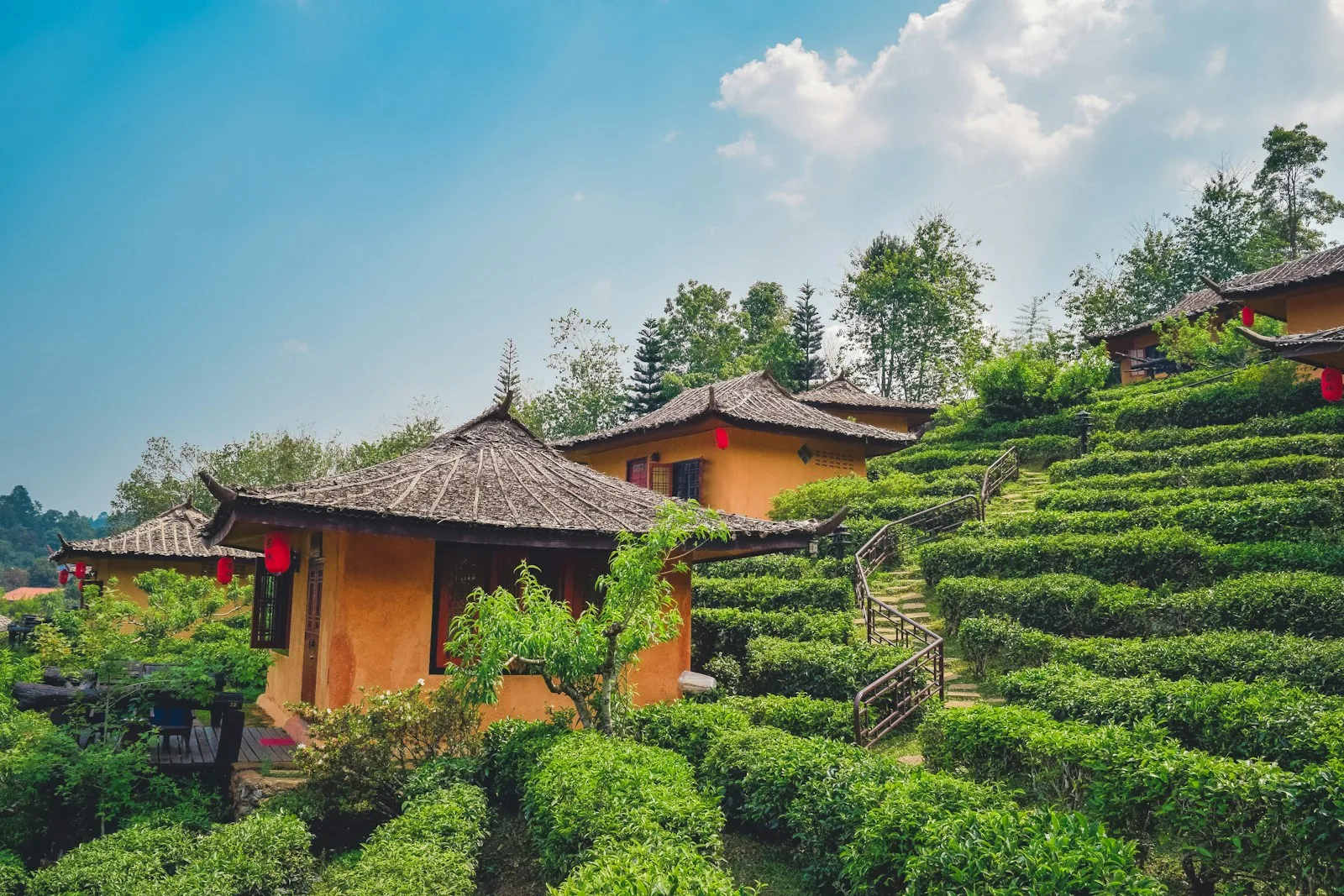
A Lincang cooperative learning to pulp its own coffee
20 June 2026
 Field notes5 min
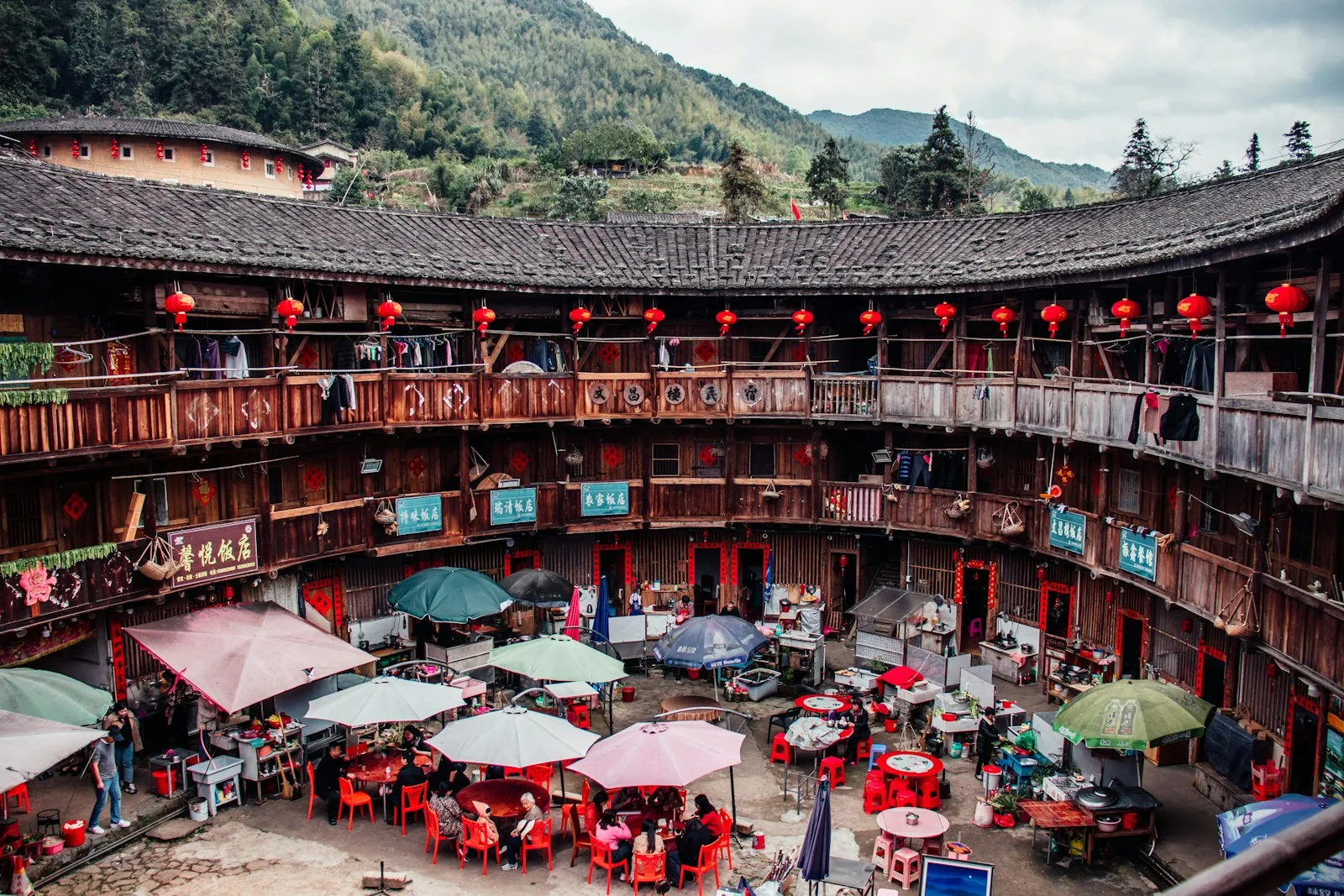
Behind the counter at a Quanzhou seafood kitchen
20 June 2026
 Field notes5 min
Across the noodle table in Kunming's Beimen Alley
19 June 2026
 Field notes5 min
A morning at Old Lin's pickle courtyard in Meijiawu
19 June 2026
 Field notes5 min
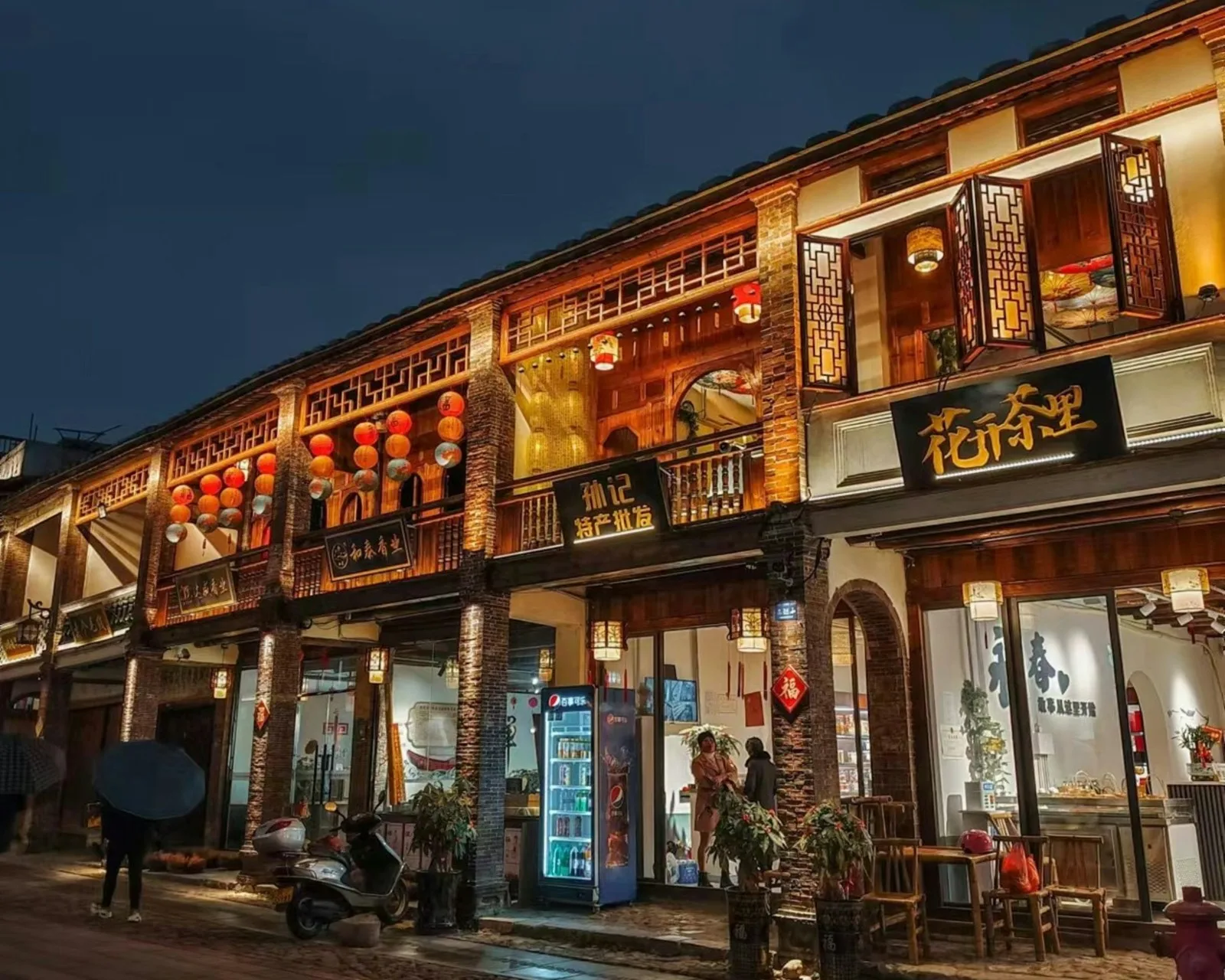
Reading a Ming caipu in a Quanzhou kitchen
19 June 2026
 Field notes5 min
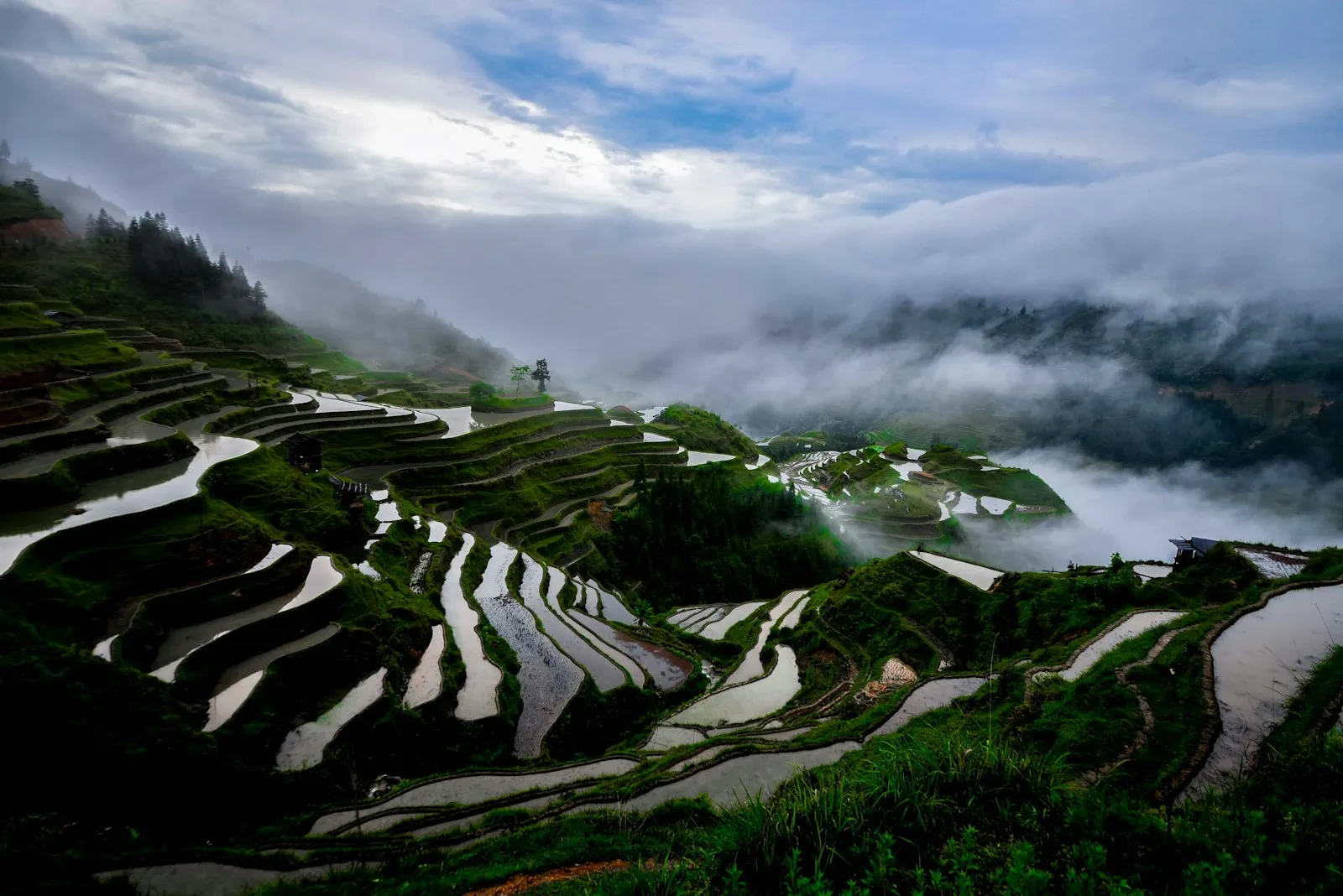
Sour fish in a Kaili household kitchen
19 June 2026
Photography by Marta Markes via Unsplash.
Bring your delegation, your institution, or your curious community to the real East.
Tell us who you’re bringing and what you’re looking for. We’ll design the program around it.