 ArtoEast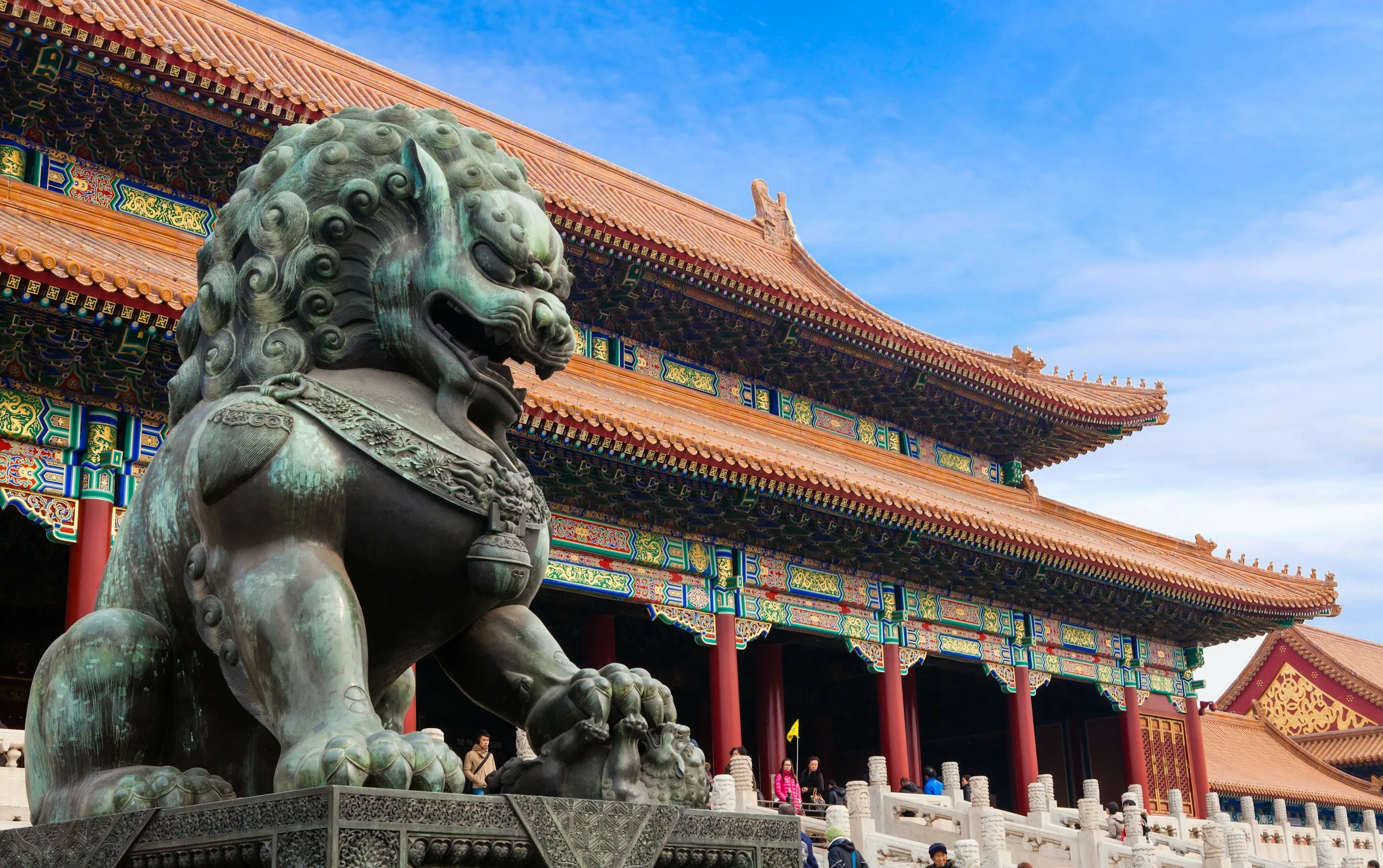
The History Road
A thousand years of capitals, walked at the pace of attention.
We walk the line of successive dynastic capitals — Xi'an, Luoyang, Kaifeng, Nanjing, Beijing — and sit with the grottoes, ramparts and port towns where Chinese civilisation kept rewriting itself. Not a survey, but a long conversation with stone, brick and ink.
A lens, not a checklist.
The History Road treats the Chinese past as something still being argued with rather than something behind glass. We move through cities that were once the centre of the known world and are now neighbourhoods where people sweep their stoops at six in the morning. The question we carry is small and steady: what does it mean to stand where the Tang court stood, where the Song poets drank, where Ming envoys watched ships leave for the Indian Ocean? We pay attention slowly, and let the contradictions sit.
We walk the dynastic capitals in sequence — Xi'an's Tang-era grid, Luoyang's white-walled lanes near the Longmen cliffs, Kaifeng beneath its layers of Yellow River silt, Nanjing's Ming wall, Beijing's hutong courtyards behind the Forbidden City. Between them we sit at the Buddhist grottoes of Dunhuang, Yungang and Longmen, climb sections of the Great Wall where Qi, Ming and Han masonry overlap, and end among the Song-era mosques and Hindu carvings of Quanzhou's maritime quarter. Local historians, calligraphers and conservators walk with us.
What this experience touches.
We are not a tour company. Each program is shaped to who is coming — these are the threads we tend to weave when we run this experience, not a fixed route.
- 01
The Five Capitals, in sequence
Xi'an, Luoyang, Kaifeng, Nanjing, Beijing — read in the order they held the mandate. We walk the Tang grid still buried under Xi'an's modern streets, the Northern Song axis of Kaifeng now eight metres below ground, and the Ming-Qing geometry that survives in Beijing's hutong. Each capital sits with its own ghosts.
- 02
The Great Wall as palimpsest
Not one wall but many, written over each other. We walk a Ming rebuild near Jinshanling, then a rammed-earth Han stretch near Jiayuguan where the bricks have gone back to dust. A conservator from the Great Wall Society explains which sections are being stabilised, which are being left to weather, and why that decision is itself political.
- 03
Grottoes — Dunhuang, Yungang, Longmen
Three Buddhist cave complexes carved across seven centuries, each a record of a different empire's reach. We sit in the Mogao caves at Dunhuang with a Dunhuang Academy researcher, trace the Northern Wei sandstone Buddhas at Yungang, and read the Tang inscriptions at Longmen above the Yi River. The pigments are still mineral, still bright in places.
- 04
Quanzhou — the Maritime Silk Road port
The Song-Yuan world city Marco Polo called Zayton. We walk from the Qingjing Mosque (1009) to the Kaiyuan Temple's Hindu-carved pillars, then to the surviving stone docks where ceramics left for Hormuz and Calicut. A local historian unpacks how a Chinese port held Arab, Tamil and Persian quarters in conversation for three centuries.
The regions this experience leans on.
Field notes through this lens.
Dispatches from programmes that drew on The History Road. The shape of the work, in long form.
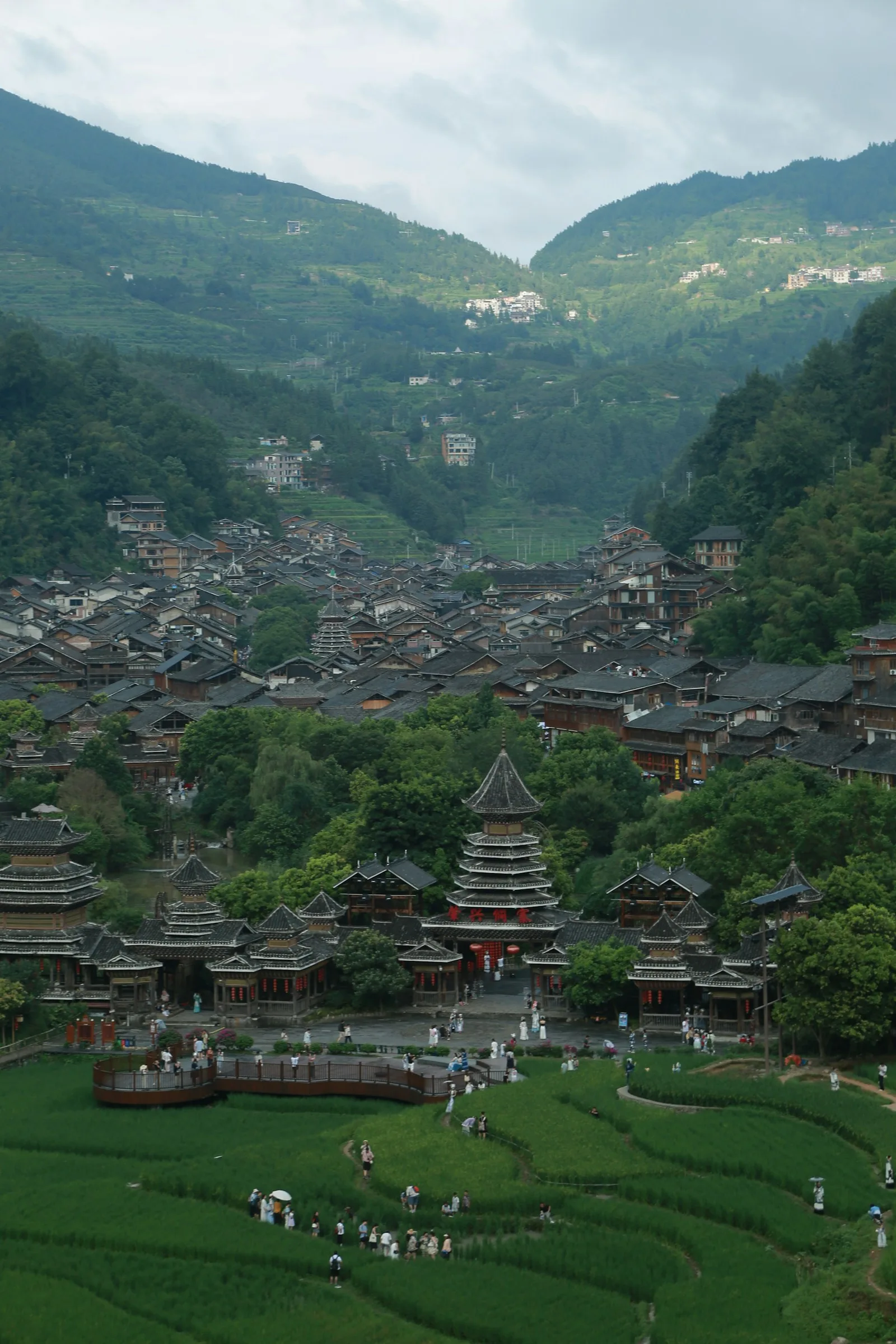 Field notes5 min
An afternoon inside a Tunbao stone fortress
20 June 2026
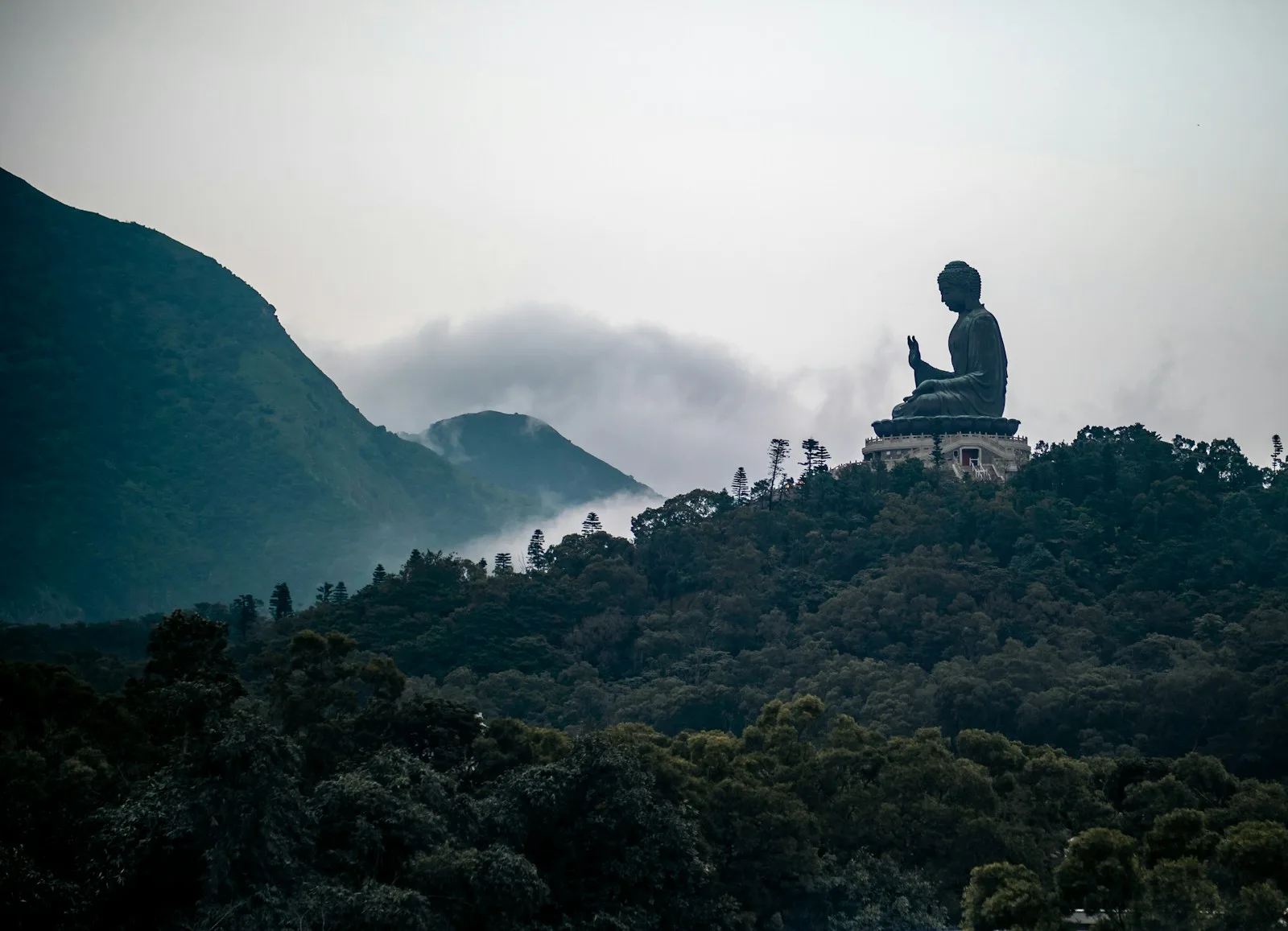 Field notes4 min
A Sanxingdui conservator and the bronze that won't sit still
20 June 2026
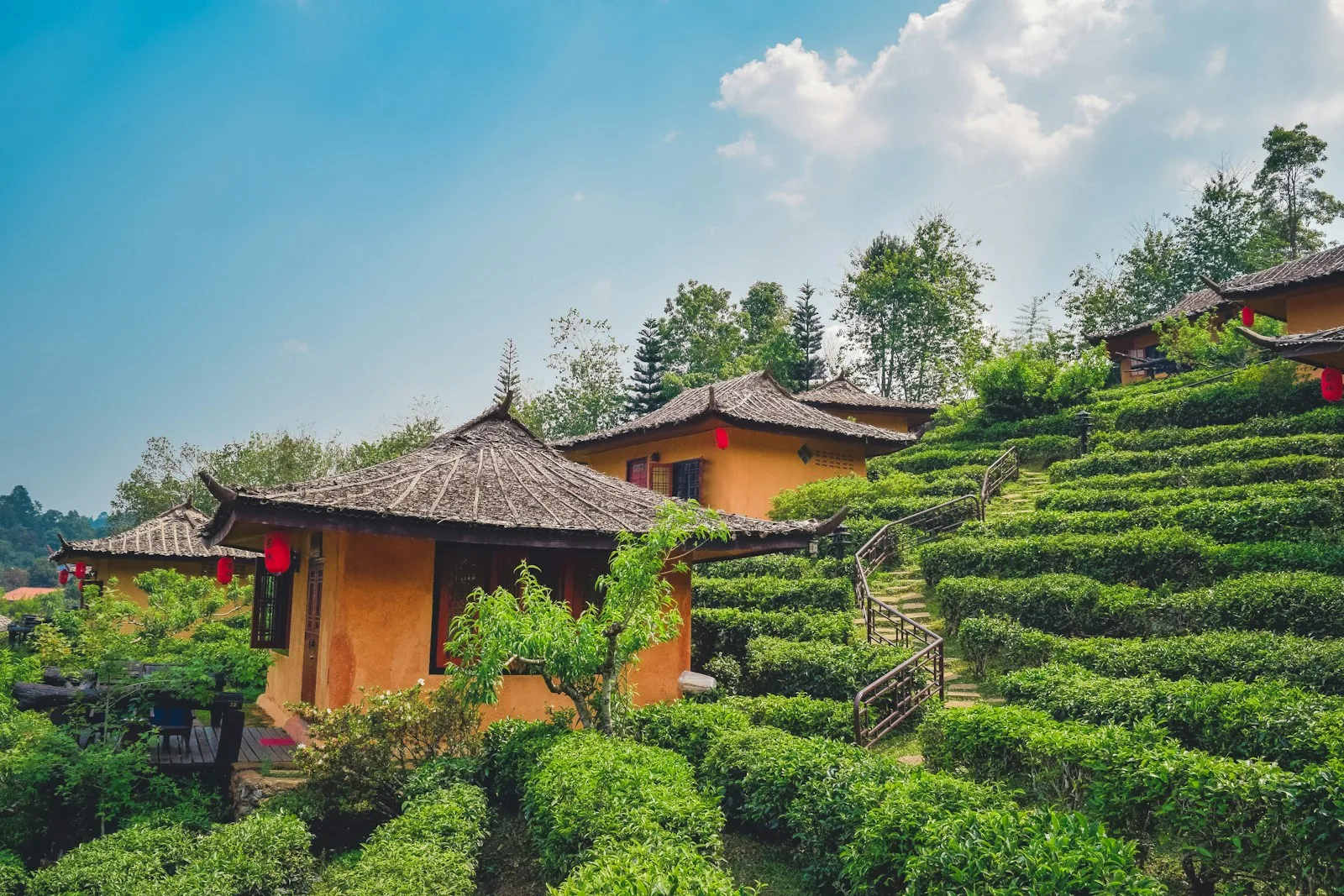 Field notes5 min
Nanzhao fragments and the kingdom below Dali
19 June 2026
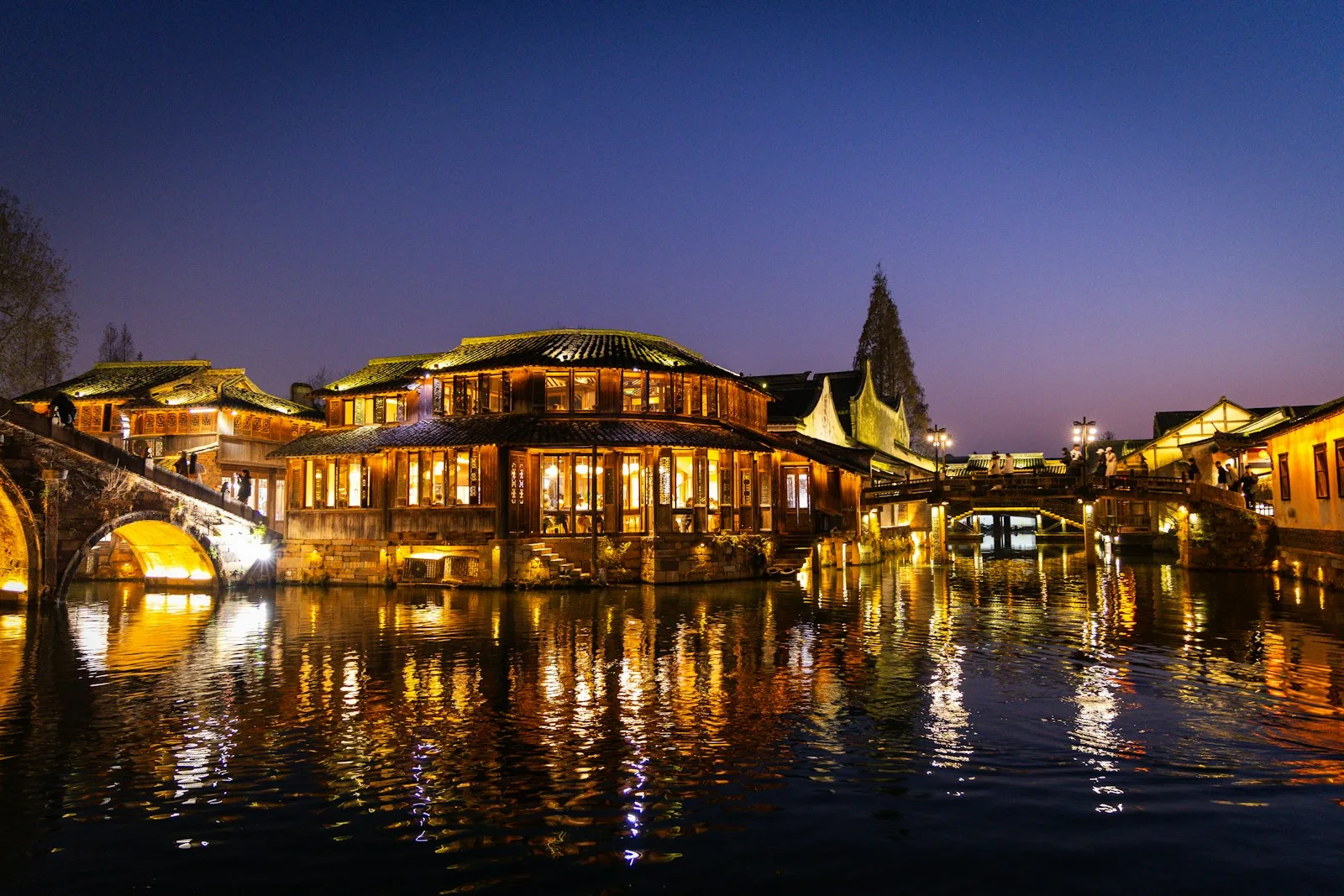 Field notes5 min
A morning in a Shaoxing yellow-wine cellar
19 June 2026
 Field notes5 min
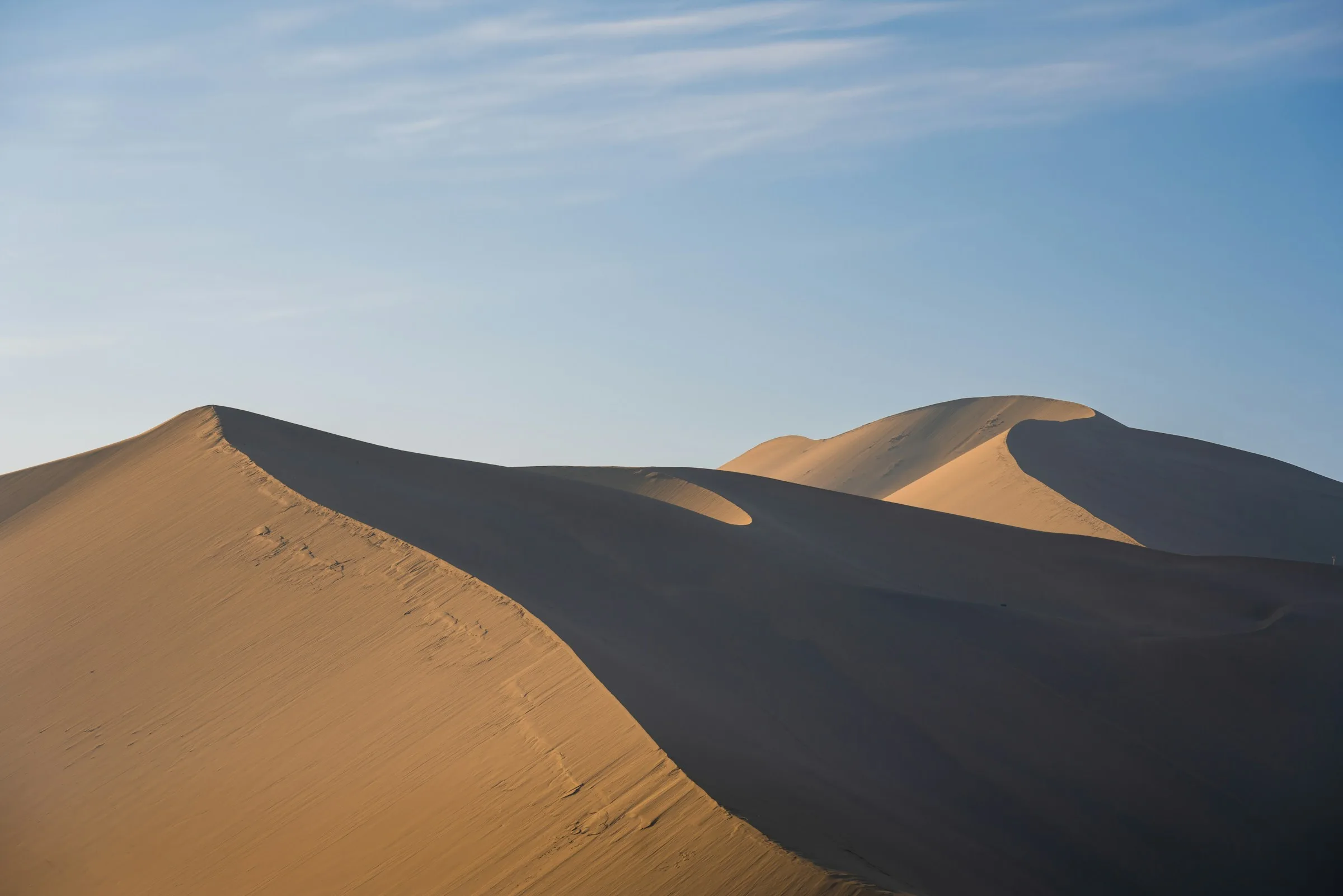
Mogao on a Tuesday, with the Conservator
10 June 2026
 Field notes5 min
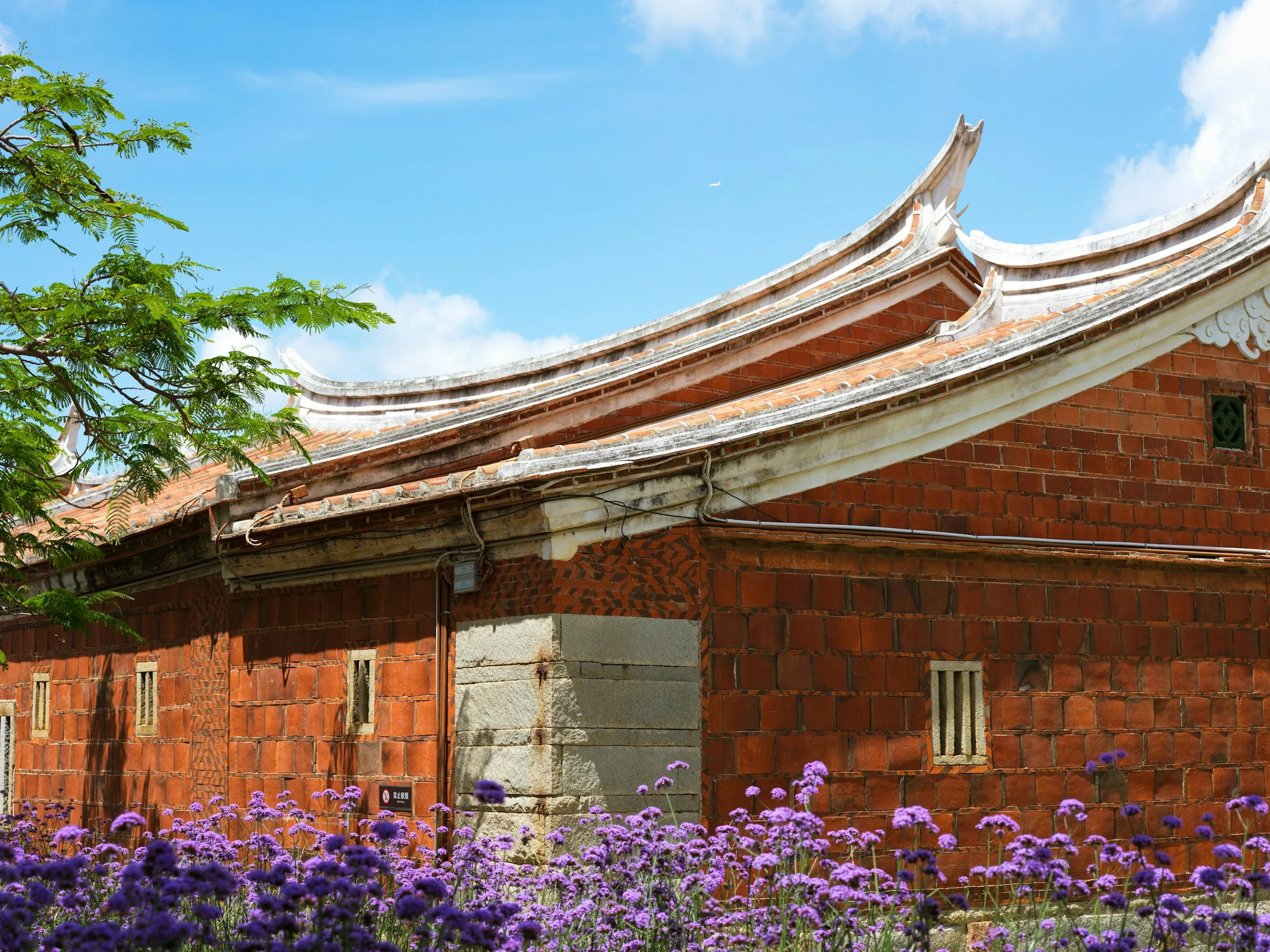
Quanzhou stones, the port that talked to the world
3 June 2026
Photography by Rafik Wahba via Unsplash.
Bring your delegation, your institution, or your curious community to the real East.
Tell us who you’re bringing and what you’re looking for. We’ll design the program around it.